When it comes to Greek island getaways, few names spark as much excitement as Zakynthos and Crete. Did you know that Zakynthos, with its iconic blue caves and stunning Shipwreck Beach, is often a quieter alternative to Crete’s vibrant cultural tapestry and expansive landscapes? Both islands boast breathtaking beauty, rich history, and unique experiences that cater to every type of traveler-whether you’re a couple seeking romance, a family on an adventure, or a solo explorer chasing after picturesque sunsets. However, with different vibes and attractions, the choice between these islands can feel overwhelming. In this comparative guide, we’ll delve into what makes Zakynthos and Crete shine, helping you navigate your dream vacation. From the best times to visit and essential logistics to the top spots you won’t want to miss, let’s embark on this journey together to find out which island is calling your name!
Dreamy Beaches: Zakynthos vs. Kreta
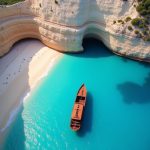
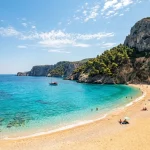
The stunning beaches of Zakynthos and Kreta (Crete) offer unique experiences that cater to different types of travelers, from those seeking serenity to those in search of adventure. Imagine stepping onto the soft, golden sands of Navagio Beach, also known as Shipwreck Beach, with its iconic shipwreck and sheer cliffs that frame the turquoise waters. It’s a sight that feels almost otherworldly. Just be prepared-the beach is only accessible by boat, and while it may get crowded, the view is undeniably breathtaking. In contrast, Kreta’s Elafonissi Beach presents a striking palette of pink and white sands, lapped by shallow, azure waters, ideal for families with young children or those wanting a quieter beach day.
For thrill-seekers, the beaches of Zakynthos don’t disappoint-try heading out to the Blue Caves where you can swim and snorkel among dramatic rock formations and vibrant marine life, or enjoy a day of water sports at Laganas Beach. Meanwhile, Kreta offers adventure in its own right, with vibrant beaches like Balos Lagoon that can be reached by a short hike or boat trip, revealing breathtaking scenery and opportunities for snorkeling in wonderfully clear waters.
Accessibility varies on both islands; Zakynthos has reliable ferry services from the mainland, while Kreta’s vast size means rentals are popular for exploring its diverse coastline. A day spent exploring the beaches of Zakynthos could cost around €40-70 for a rental boat, whereas a day at Elafonissi may cost less, with minimal parking fees and nearby tavernas offering delicious meals. Best times to visit are in late spring or early fall when the crowds thin out, but the weather remains warm.
Ultimately, whether you bask under the sun in Zakynthos or Kreta, both islands offer dreamy beaches that cater to all types of travelers. The key lies in deciding what kind of beach experience you crave-whether it’s jaw-dropping scenery and relaxation on Zakynthos or a mix of adventure and cultural exploration on the shores of Kreta.
Rich History and Culture of Each Island

The charm of these two Greek islands can be found not only in their stunning landscapes but also in their rich history and culture. Zakynthos, with its Venetian heritage and storied past, offers an intimate glimpse into Greece’s diverse historical tapestry. Once a significant naval base under the Venetian rule, the island reflects this influence in its architecture, with beautiful examples like the Solomos Square and the Church of St. Dionysios, where the remains of the island’s patron saint are housed.
Walking through Zakynthos Town, you might find yourself enchanted by the lively atmosphere of the open-air markets and local festivals celebrating everything from wine to local folklore. The island’s history is both poignant and vibrant, with echoes of its past can still be felt in the traditional music, dance, and culinary traditions practiced by the locals today. Be sure to witness the custom of “Raki”-a traditional spirit served at the end of meals-being enjoyed during lively gatherings, which will give you a taste of local hospitality.
In contrast, Crete (Kreta) boasts a history that stretches back to ancient times, famously known as the cradle of Minoan civilization. Here, you can explore the Palace of Knossos, an archaeological marvel that sets the stage for tales of mythology and ancient culture. This sprawling site, believed to be the legendary home of King Minos and the Minotaur, offers a fascinating glimpse into life thousands of years ago. The surrounding museum further enriches this experience, showcasing exquisite frescoes, intricately crafted pottery, and other artifacts.
Cretan culture thrives through its traditions, whether it’s the heartwarming Cretan hospitality exemplified in local tavernas or the vibrant music that fills the air during community celebrations. The island’s culinary heritage is a testament to its agricultural richness, featuring an abundance of fresh ingredients that contribute to dishes like Moussaka and Cretan salad.
Both islands present exciting opportunities to engage with their histories and cultures. While Zakynthos wraps its visitors in warmth and charm, full of local legends and Venetian flair, Crete invites exploration of ancient ruins amidst the bustling life of contemporary communities. Each island, with its unique stories and traditions, offers travelers a memorable experience steeped in the rich heritage of Greece. Whether you’re strolling through quaint villages or attending a local festivity, you’ll be enveloped in the spirit of these magical places.
Vibrant Nightlife: Partying in Zakynthos vs. Kreta

As the sun sets over the beautiful azure waters of Zakynthos, the nightlife scene awakens with an enchanting vibrancy that pulses through the island. Known for its youthful energy, particularly in areas like Laganas, this beautiful island caters to party enthusiasts with an array of bars, clubs, and beach parties. Expect to find venues that pulse with music, laughter, and the scent of delicious local flavors. Popular spots like The London Pub and Zante Cocktails offer lively atmospheres where you can sip on tropical cocktails while dancing into the early hours. Whether you’re a couple seeking a romantic night out or a solo traveler in search of new friends, Zakynthos’ nightlife feels inclusive, vibrant, and ever-exciting.
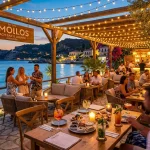
In stark contrast, Crete’s nightlife is a blend of lively tavernas, sophisticated bars, and cultural experiences, particularly visible in cities like Chania and Heraklion. Here, the emphasis shifts from wild parties to a rich assortment of local music and dance. Imagine indulging in Cretan mezze while enjoying a live bouzouki performance in a packed taverna, like Tamam in Chania, which not only serves traditional dishes but also immerses you in the local culture through its nightly festivities. For those who crave a more laid-back evening, stroll along the stunning harbor, where seaside cafes offer serene views paired with a glass of local wine.
For adventure seekers or younger crowds, both islands have their unique offerings. Zakynthos boasts famous foam parties and beach clubs like Pure Beach Club, attracting a bustling crowd keen on socializing and celebrating. In comparison, Crete leans into a mellow but equally engaging nightlife, where you can find open-air concerts and local festivals that showcase traditional dance, inviting everyone to participate.
Key Nightlife Tips
- In Zakynthos, cover charges can vary from free entry in many bars to around €10-€15 for clubs during peak season. Expect a mix of drink prices, generally ranging from €5 to €8 per cocktail.
- For Crete, most tavernas don’t charge cover, but budgets can range widely. Dinner with drinks might set you back about €20-€30 per person, while cocktails in chic bars typically start at €8.
Both Zakynthos and Crete offer unique nights out that cater to different tastes-whether you’re all about energetic clubbing in Zakynthos or savoring the enchanting rhythms of Cretan music under the stars, your evenings here promise unforgettable memories. Each island’s nightlife illustrates its character, making a visit to either a delightful exploration of Greek culture and community.
Culinary Adventures: Traditional Flavors to Savor
The culinary scene in Zakynthos is a delightful adventure, bursting with flavors that reflect the island’s rich agricultural landscape. Imagine feasting on fresh seafood straight from the sparkling Ionian Sea, paired with locally grown produce. One must-try dish is soutzouk loukou, a sweet treat made from grape must and nuts, offering a sweet and chewy delight that perfectly complements the island’s fresh, savory options. Consider visiting traditional tavernas like To Perasma, where you can enjoy grilled octopus that’s been marinated in olive oil and herbs, surrounded by vibrant bougainvillea.
Crete, on the other hand, takes culinary pride in its robust and diverse flavors. The island is famed for its Cretan diet, which emphasizes olive oil, whole grains, and fresh fruits and vegetables, making it not just delicious but also healthy. Enjoy a plate of dakos, a Cretan salad consisting of barley rusks topped with tomatoes, feta, and local olives-all drizzled with the island’s renowned olive oil. A visit to Tamam in Chania is a must for authentic Cretan dishes, where you can indulge in local specialties such as lamb with artichokes, simmered to perfection.
To get the most out of these culinary experiences, timing is key. The best months to savor these flavors are from late spring to early autumn when the local markets are brimming with fresh produce. Don’t hesitate to engage with the locals, as they can offer you insights into hidden gems and seasonal dishes. For budget-conscious travelers, both islands present a range of dining options, from upscale restaurants to family-run tavernas, allowing you to enjoy gourmet experiences without breaking the bank. You can expect to pay around €10-€15 for a hearty meal in a traditional eatery.
In both Zakynthos and Crete, culinary adventures invite you to savor the essence of Greek culture. Whether you’re relishing the simplicity of fresh ingredients in a taverna overlooking the sea or indulging in a delightfully complex dish at a local restaurant, these islands promise an unforgettable gastronomic journey. Embrace the flavors, engage with the community, and let the culinary traditions of these islands leave a lasting impression on your palate.
Family-Friendly Activities: Fun for All Ages
When planning a family trip to Greece, both Zakynthos and Crete offer enchanting adventures that cater to guests of all ages. With stunning landscapes, rich culture, and warm hospitality, these islands promise to create unforgettable memories for families. Imagine waking up to the sound of waves and sunshine beckoning you to explore the turquoise waters or majestic mountains.
In Zakynthos, families can enjoy a variety of activities that suit younger visitors and adults alike. One of the island’s highlights is the infamous Shipwreck Beach (Navagio Beach), accessible only by boat. Children will be mesmerized by the sight of the shipwreck resting on the soft white sands, while parents can lounge under the sun or explore nearby sea caves. For those seeking adventure, consider a glass-bottom boat tour, which will entertain kids with views of vibrant marine life swimming beneath them. Prices for boat rides typically range from €20-€40 per person, depending on the duration and season.
Crete, being the largest of the two, offers even more family-friendly options. The famous Aquaworld Aquarium in Hersonissos is a fantastic outing for kids, allowing them to encounter sea turtles, exotic fish, and even snakes. Meanwhile, the ancient Palace of Knossos offers a glimpse into the Minoan civilization, making history come alive through guided tours specifically designed for families. Kids can engage in treasure hunts or storytelling sessions. Expect entrance fees of around €15 for adults at archaeological sites, with children’s tickets usually discounted.
Both islands provide ample opportunities for outdoor activities, such as hiking and snorkeling, allowing families to bond over nature. Take a family hike to the stunning cliffs of Zakynthos where the views are simply breathtaking, or venture to the Samaria Gorge in Crete, one of Europe’s longest gorges-a breathtaking setting for the more adventurous families. For an even more laid-back day, spend time on family-friendly beaches like Tsilivi in Zakynthos or Elafonissi in Crete, where shallow waters make it safe for kids to splash around.
No matter which island you choose, remember that the best times to visit are from late spring to early autumn when the weather is perfect for outdoor activities and family gatherings. Both Zakynthos and Crete are equipped to provide an enjoyable, safe, and memorable experience for families. Embrace the beauty of these islands and let the fun begin!
Nature’s Wonders: Landscapes and Attractions
The stunning landscapes of Zakynthos and Crete beckon travelers with their unique natural beauty and attractions. In Zakynthos, you’ll find a wealth of breathtaking scenery, from the rugged cliffs that tower over the Ionian Sea to the soft sands of its famous beaches. The island is home to the mesmerizing Navagio Beach, also known as Shipwreck Beach. This secluded cove, with its dramatic white limestone cliffs framing a shipwrecked vessel, is often regarded as one of the most photographed spots in Greece. Accessible only by boat, it’s well worth the trip. Be prepared for a small boat rental fee ranging from €30-€60, depending on the season, and remember to arrive early to avoid the crowds.
Crete, on the other hand, is a tale of two landscapes: its breathtaking mountains and sprawling coastline. The Samaria Gorge, stretching over 16 kilometers, offers a remarkable hiking experience as it reveals ancient trees, rare wildlife, and spectacular rock formations. Hiking through the gorge can cost around €10 for entrance fees, plus transportation expenses. At the southern end of the island, the beautiful Elafonissi Beach is another highlight, known for its pink sand and crystal-clear waters. Families will enjoy the shallow waters, making it safe for kids to splash around, while the stunning scenery makes it a perfect spot to relax.
For adventure enthusiasts, both islands provide ample opportunities to explore. In Zakynthos, consider making a day trip to the Blue Caves, where boats glide through stunning blue waters and cliffs, creating a magical atmosphere. Kayaking is an exciting way to experience these natural wonders-guided tours typically start around €50 per person. Meanwhile, Crete’s diverse terrain invites hiking enthusiasts to explore the White Mountains or wander through the lush landscapes of the Agros region, known for its vibrant flora and peaceful trails.
In terms of accessibility, both islands are well-equipped for visitors. You can easily rent scooters or ATVs in Zakynthos, with daily rates averaging around €25-€40, allowing you to explore hidden beaches and local tavernas at your own pace. Crete’s larger size means public transport is a popular way to navigate, with intercity buses being a reliable choice for reaching various attractions. Keep an eye on local schedules for the best times to travel, especially during peak seasons.
Whether you’re venturing to the iconic natural spots in Zakynthos or immersing yourself in Crete’s diverse landscapes, both islands promise unforgettable experiences that celebrate the beauty of nature. The key is to plan ahead-mapping out your desired activities and budget will help you make the most of your exploration in these Greek gems.
Adventure Awaits: Outdoor Sports and Activities
Exploring the breathtaking landscapes of Zakynthos and Crete unlocks a treasure trove of outdoor activities that cater to every type of adventurer. Whether you’re diving into the azure waters or trekking through rugged mountains, both islands offer unforgettable experiences that dance between relaxation and exhilaration. Imagine yourself gliding over the sparkling waves of the Ionian Sea or hiking along dramatic cliffs with the warm sun on your back-these islands are true paradises for outdoor enthusiasts.
In Zakynthos, turquoise waters invite you to partake in thrilling activities such as snorkeling and scuba diving. The island is famous for the stunning underwater landscapes around the Blue Caves, where you can rent a small boat or join a guided tour. Expect to pay around €20-€50 for a half-day tour, which includes equipment. For a taste of the vibrancy beneath the surface, the Keri Caves are also a must-see, featuring incredible marine life and hidden grottoes. Besides water sports, hiking trails like the one leading to the scenic viewpoint at Navagio Beach provide a blend of adventure and breathtaking vistas. The best time for such activities is April to June or September to October when the weather is pleasantly warm, and crowds are smaller.
Crete offers an entirely different flavor of adventure, with its diverse landscapes ranging from majestic mountains to serene beaches. The Samaria Gorge hike is one of the most popular experiences, taking about 4-7 hours to traverse its 16-kilometer length. The entrance fee is around €10, and don’t forget to pack plenty of water and snacks! For those seeking aquatic adventures, windsurfing and sailing along Elafonissi Beach showcase the island’s rich marine beauty. Renting windsurfing gear usually costs around €30 for two hours.
When it comes to accessibility, both islands efficiently accommodate adventure seekers. In Zakynthos, scooters and ATVs can be rented for around €25-€40 per day, making it easy to hop from one scenic spot to another. In Crete, intercity bus services link major attractions, providing a cost-effective travel option as well. Tours through local agencies often include transportation, making logistics hassle-free so you can focus on the thrill of adventure.
Ultimately, whether you find yourself exploring the enchanting waters of Zakynthos or trekking the expansive trails of Crete, each island provides a unique palette of outdoor experiences. Just be sure to plan ahead; knowing the best times to visit, what to bring, and where to find the best rental services will ensure that your adventures are as enjoyable as the stunning scenery that surrounds you.
Best Times to Visit: Seasons and Events
When planning a visit to Greece’s stunning islands, understanding the optimal times to explore is key to maximizing your experience. Both Zakynthos and Crete boast warm Mediterranean climates, but subtle seasonal differences can shape your adventure in remarkable ways. I often recommend visiting Zakynthos in the shoulder seasons of late spring (April to June) and early autumn (September to October). During these months, you can expect pleasantly warm temperatures averaging around 25°C (77°F), fewer crowds, and the beauty of blooming flowers or vibrant autumn colors. This is the perfect time for exploring hidden beaches, hiking scenic trails, and enjoying nautical activities like boat trips to the famed Navagio Beach and the mesmerizing Blue Caves without overwhelming crowds.
If you’re leaning towards Crete, similar advice applies with a slight twist. The island is a significant draw throughout the summer months (July and August) when the weather is ideal for beachgoers, but be prepared for the hustle and bustle of tourists. However, consider visiting in late spring or early fall as well. The period from late April to June offers a chance to see stunning wildflowers along scenic paths and historical sites with a backdrop of lush greenery. Autumn, particularly September and early October, continues to be warm and inviting, where swimming is still comfortable, but fewer tourists mean you can enjoy the island’s rich history and cultural experiences more intimately.
Festivals and Events
Both islands have their share of vibrant local festivals that reflect their unique traditions and culture. For a memorable experience in Zakynthos, try planning your visit to coincide with the *International Film Festival*, usually held in July, or the *Wine Festival* in August, celebrating local wines with tastings and traditional music. In contrast, Crete shines with its *Heraklion Wine Festival* in late summer and various *cultural festivals* highlighting Cretan music and dance throughout the year. Embracing these local celebrations can add depth to your travel experience, offering insights into the island’s heritage and a chance to mingle with friendly locals.
By understanding these seasonal nuances and tapping into the islands’ cultural pulse through their events, you’ll enrich your journey across these enchanting Greek gems. Whether you’re sunbathing on white sandy beaches of Zakynthos or exploring the rugged mountains of Crete, each visit promises a different yet beautiful story waiting to unfold. Don’t forget to check local calendars as your travel dates approach, ensuring you catch vibrant activities that resonate with your personal travel style!
Travel Costs: Budgeting for Your Trip
When venturing to the stunning shores of Zakynthos or the expansive landscapes of Crete, knowing what your wallet can expect to handle is essential for a smooth experience. Both islands offer a variety of options catering to different budgets, ensuring that every traveler finds their niche-be it a luxurious getaway or a charming shoestring adventure.
In Zakynthos, costs can be moderate compared to other European destinations. A typical meal at a local taverna will set you back around €15-€25 per person, with seafood dishes being particularly delightful and fresh. If you’re a fan of street food, look for local gyros or souvlaki, often available for under €5. For drinks, a beer at a bar ranges from €3 to €5, while a cocktail might push you to €7 or more, especially in tourist-heavy areas like Laganas.
If you’re planning a boat tour to iconic spots like Navagio Beach or the Blue Caves-an absolute must-do-the costs usually hover around €30-€50, depending on the tour’s duration and inclusions. Rental cars can further enrich your adventure, costing about €30-€50 per day, offering you the freedom to explore the island’s hidden gems at your pace. Just remember that parking can be limited in popular areas, so plan ahead!
Crete presents a broader spectrum due to its size and diverse offerings. Dining can be more affordable in the less touristy towns, where family-run restaurants offer meals starting at €10. The island’s vibrant markets also tempt with local produce and delicacies-ideal for picnic enthusiasts. However, expect to spend a bit more in tourist hotspots, where the same meal can cost double. Accommodation in both islands varies significantly, with budget hostels available as low as €15-€25 a night, while mid-range hotels can range from €70-€150 depending on location and amenities.
Transport-wise, Crete’s public transport system is solid, with buses connecting major towns for just a few euros. However, renting a car is still advisable for those wanting to explore the island’s rugged terrain and charming villages, with prices starting around €25 per day.
No matter which island you choose, it’s wise to balance your experiences between planned activities and spontaneous explorations. At the end of the day, both Zakynthos and Crete offer breathtaking vistas and unforgettable memories that will be worth every cent spent.
Getting Around: Transportation Options and Tips
Exploring Zakynthos is like unwrapping a treasure; each corner reveals stunning landscapes and vibrant local culture. However, navigating the island efficiently is key to enriching your experience. Thankfully, the options for getting around are both varied and accessible, ensuring that every traveler-from beach bums to history enthusiasts-can find their way to the island’s must-see sights.
To start, renting a car is often the best choice for those who want to truly explore Zakynthos. With prices typically ranging from €30 to €50 per day, you gain the freedom to visit breathtaking spots like Navagio Beach and the Blue Caves at your own pace. Just be aware that parking can be a bit tricky in busier areas, so arriving early or researching parking options at your destination can save you some headaches. Alternatively, scooters and ATVs are popular among tourists seeking a fun and adventurous way to get around. Rentals start from about €20 per day, and zipping along the coast is an exhilarating way to soak in the stunning views.
Public transport on Zakynthos is limited but not non-existent. Buses connect major tourist areas and towns, with tickets costing just a few euros. The bus service is reliable for getting between popular spots, but they can get crowded during peak season, so plan accordingly. Taxis are also available but can be pricey compared to other options. Fares from the airport to Zakynthos Town usually range around €20-€30, depending on where you’re headed. If you’re in a larger group or traveling with family, consider booking a shared shuttle or private transfer for convenience.
For those primarily interested in experiencing the island’s stunning coastline, don’t miss out on the chance to join a boat tour! Prices for trips around the island vary from €30 to €50, with many offering stops at iconic locations such as the majestic Blue Caves and secluded beaches. This is an unforgettable way to witness Zakynthos’s beauty from the sea, complete with opportunities for swimming in crystal-clear waters.
In contrast, Crete offers a slightly different approach to transportation. Its larger size means that car rentals are highly recommended for exploring off-the-beaten-path destinations, but the public bus system is more extensive and efficient, covering numerous towns and attractions. Each island has its unique charm and challenges, making the choice of transportation an essential part of your adventure. Embrace the journey as much as the destination!
Accommodations: Where to Stay on Each Island
When it comes to finding the perfect place to stay in Zakynthos or Crete, you’ll discover a spectrum of accommodations that cater to all types of travelers, from families and couples to solo adventurers and party-goers. Imagine waking up to the sound of waves lapping at the shore while enjoying stunning views of turquoise waters and dramatic cliffs-an everyday reality on both islands. Let’s explore your options so you can make the most of your Greek island getaway.
Zakynthos: Your Island Home
On Zakynthos, you’ll find a range of accommodations to suit your needs, whether you prefer a cozy boutique hotel or a lavish resort. In Laganas, you’ll discover bustling hotels perfect for party-seekers, complete with easy access to nightlife and beach clubs. Prices here are generally around €50-€100 per night during the high season. For a more serene vibe, consider Tsilivi or Argassi, where family-friendly hotels and charming villas dot the landscape. Many of these provide direct beach access and amenities like swimming pools and restaurants. You can expect to pay €70-€150 per night for a comfortable family hotel.
If you’re looking for authenticity, I highly recommend the charming guesthouses in villages like Kalamaki or Vasilikos, where you can experience the local hospitality firsthand. Stays range from €40-€80 per night, offering a genuine taste of Zakynathian life. Also, for those craving a bit of luxury, luxurious resorts like Zante Imperial Beach Hotel offer upscale amenities, beautiful pools, and exquisite dining options, with prices starting around €120 per night.
Crete: The Larger Canvas
Crete, being the largest Greek island, offers an even broader variety of accommodations. In Chania, the charming old town is home to numerous boutique hotels ideal for couples seeking romance. Staying here can cost between €60-€120 per night. For those who want a more resort-like experience, the Elounda area is famous for its all-inclusive options, where you can relax without a care in the world. Rates for these resorts typically start at around €150 and can go much higher during peak seasons.
Families will appreciate the numerous resorts in Hersonissos and Agios Nikolaos, which cater to children with on-site activities, kids’ clubs, and multiple dining options. Prices here often range from €70-€200 per night depending on the luxury level and proximity to the beach.
For travelers who seek a more unique experience, consider renting a villa in the countryside or coastal areas. This not only provides privacy but also allows for a local experience, complete with home-cooked meals made from fresh, local ingredients. Prices for villa rentals can vary widely, generally starting around €90 per night.
Wrap Up Your Accommodation Choice
Regardless of where you choose to stay, both Zakynthos and Crete promise to wrap you in their enchanting charm. Be sure to book well in advance if you’re visiting during the summer months since accommodations can fill up quickly. With the right place to stay, you’ll have a wonderful base from which to explore the beauty and culture of these incredible islands. Enjoy the journey, as each evening spent in these magical spots becomes a cherished memory!
Local Insights: Connecting with the Community
Visitors to Zakynthos often find themselves entranced by the island’s vibrant local culture and warm hospitality, mingling seamlessly with an enriching array of community experiences. It’s not just about jaw-dropping beaches and breathtaking landscapes-it’s the connections you forge that truly enrich your journey. From lively markets to intimate family-owned tavernas, there are countless opportunities to delve deeper into the spirit of this beautiful island.
For the curious traveler, exploring local markets in towns like Zante City is a must. Here, you can chat with vendors selling fresh produce, olive oils, and local wines. Be sure to try some local cheeses and the famous Zakynthian honey. Keep an eye out for artisanal crafts, too; many locals sell handmade jewelry and pottery that make perfect souvenirs. Engaging in conversations with these vendors not only supports the local economy but also provides a glimpse into their daily lives and traditions.
If you’re looking to connect with the culture on a deeper level, consider taking part in a traditional cookery class. You’ll learn how to make favorite local dishes like moussaka or dolmadakia, guided by local chefs who share stories from their childhood. Recipes passed down through generations enhance the experience, making it genuinely personal. Classes are typically reasonably priced, around €50 per person, and include a hearty meal to savor at the end.
For families, community festivals offer a rich tapestry of local life. Visiting in August? Don’t miss the Feast of Agios Dionysios, with vibrant parades, traditional music, and delicious food stalls. This is a fantastic time to meet locals and watch them celebrate their heritage-an experience that’ll remain etched in your memory.
Lastly, if you enjoy a bit of the nightlife scene, venture beyond the tourist hotspots in Laganas and discover local bars in smaller villages like Alykes or Keri. Here, you’ll find a more genuine atmosphere, where you can sip local spirits like ouzo or tziverti while mingling with friendly locals, soaking in the live music and folklore dancing that truly exemplifies the warm Zakynthian community spirit.
This blend of adventure and connection makes your visit not just a getaway but an immersive journey into the heart and soul of Zakynthos. Embrace the opportunity to learn about the island’s rhythms, and you’ll leave with memories that are as vibrant as its sunsets.
Q&A
Q: What are the main differences between Zakynthos and Kreta’s beach experiences?
A: Zakynthos beaches, like the iconic Navagio, offer stunning scenery and dramatic cliffs, ideal for those seeking picturesque views. Kreta’s beaches, such as Elafonissi, often feature soft sand and shallow waters, perfect for families. Each island provides unique beach atmospheres catering to various preferences.
Q: Which island has more cultural attractions: Zakynthos or Kreta?
A: Kreta, known for its rich history, boasts significant archaeological sites like the Palace of Knossos and vibrant local museums. While Zakynthos offers cultural experiences, including traditional villages and local festivals, Kreta provides a deeper exploration of ancient Greek civilization.
Q: How do the nightlife scenes compare between Zakynthos and Kreta?
A: Zakynthos is famous for its lively nightlife, particularly in Laganas, attracting party seekers with numerous bars and clubs. In contrast, Kreta offers a more diverse scene, with options ranging from beachfront bars in Chania to quieter tavernas featuring traditional music, catering to varied preferences.
Q: Which island is more family-friendly: Zakynthos or Kreta?
A: Both islands are family-friendly, but Kreta tends to offer more structured activities like water parks, historical education, and safe beaches for kids. Zakynthos features beautiful beaches and fun excursions but is generally more focused on nightlife and parties.
Q: What are the best months to visit Zakynthos and Kreta?
A: The best time to visit both islands is during the shoulder seasons of late spring (May-June) and early fall (September-October). During these months, you’ll enjoy pleasant weather, fewer crowds, and better prices, making for a more enjoyable experience on both islands.
Q: How accessible are Zakynthos and Kreta from each other?
A: While both islands are part of Greece, traveling between them typically requires a ferry or a short flight. The ferry service operates frequently during the summer, making it relatively easy to explore both destinations in one trip.
Q: What unique activities can I find on each island?
A: Zakynthos offers unique excursions like boat trips to the Blue Caves and snorkeling at Shipwreck Beach. Meanwhile, Kreta features distinct options like hiking the Samaria Gorge and visiting ancient Minoan ruins. Both islands present a variety of outdoor adventures tailored to different interests.
Q: Which island is better for hiking and outdoor activities?
A: Kreta is known for its exceptional hiking options, including the famous Samaria Gorge and various coastal trails. While Zakynthos has beautiful landscapes, it focuses more on beach activities and water sports than extensive hiking opportunities.
In Retrospect
As we wrap up our exploration of Zakynthos and Kreta, it’s clear that both islands offer unique experiences that cater to every type of traveler. Whether you’re drawn to Zakynthos’s stunning Shipwreck Beach and vibrant nightlife or Kreta’s rich history and picturesque villages, each destination has its charm. But don’t delay in planning your trip-these gems can get busy during peak season!
Ready to dive deeper into your Greek adventure? Check out our guide on the best local restaurants in Zakynthos for authentic culinary delights, or discover the top hidden beaches in Kreta for that perfect sun-soaked escape. If you have any questions or need tips, feel free to drop your thoughts in the comments; we love hearing from fellow explorers! Don’t forget to subscribe to our newsletter for more insider travel tips and tricks. Your next bucket list adventure is just a click away-let’s keep the journey going!
Get our latest guides, news, and insights highlighted in your Google Search & AI Overviews.