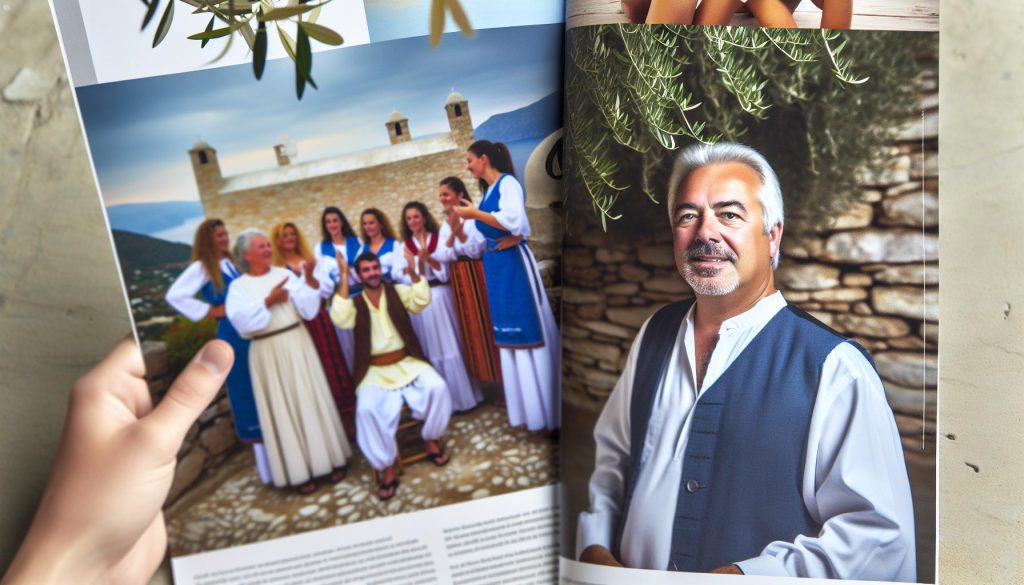
Zakynthos History is an essential highlight of traveling to Zakynthos (Zante), Greece. Whether exploring scenic coastal viewpoints, pristine turquoise swimming coves, or traditional Greek culture and gastronomy, understanding key local logistics, timing, and regional highlights ensures an optimal travel experience across the Ionian island.
Welcome to Zakynthos, an enchanting island where every corner tells a story of history and cultural richness. Did you know that this stunning gem in the Ionian Sea is not only famed for its breathtaking landscapes and mesmerizing beaches, like the iconic Navagio, but also for its deep roots in ancient history, Venetian influences, and vibrant traditions? Understanding the history and culture of Zakynthos enhances your experience, allowing you to connect with the island on a more profound level.
Whether you’re a couple seeking romantic sunsets, a family eager for adventure, or a solo traveler chasing unique experiences, diving into the heritage of Zakynthos reveals the essence of this magical place. From local festivals that ignite the streets with music and dance to historical sites that whisper tales of yesteryear, Zakynthos invites every traveler to explore its intriguing past. So, join me in uncovering the island’s rich tapestry of history and culture, and get ready to appreciate not just the beauty, but the heart of Zakynthos.
The Rich History of Zakynthos: A Journey Through Time

The vibrant history of Zakynthos, often referred to as Zante, reveals a tapestry woven from Greek mythology, Venetian influences, and a myriad of cultural imprints over centuries. This island, nestled in the Ionian Sea, is not just a paradise of turquoise waters and stunning landscapes; it is a lively repository of traditions, legends, and historical narratives that have shaped its unique identity. The discovery of ancient artifacts and ruins reveals that this island has been inhabited since prehistoric times, with stories echoing through its picturesque villages, olive groves, and stone churches.
As you explore, you’ll find remnants of the island’s Venetian era, which lasted from the 15th to the 18th century. The influence of the Venetians is unmistakable in the architecture, with their distinctive stone-built mansions and charming squares. The capital, Zakynthos Town, features the impressive Solomos Square, named after the famous poet Dionysios Solomos, who penned the Greek national anthem. The Venetian Rule fostered trade and cultural exchange, leaving behind a legacy that is still celebrated today through art, festivals, and music.
Delving into Zakynthos’ cultural fabric, mythology plays a significant role. Local legends tell tales of the island’s namesake, Zakynthos, a son of Dardanus and a descendant of the great Zeus. You’ll encounter stories of mermaids and sea monsters that locals recount with pride, highlighting how folklore is woven into the daily lives of residents. Festivals, such as the famous Feast of St. Dionysios, celebrate both religious devotion and the island’s historical narratives, featuring processions, traditional dances, and local cuisine that reflect its rich heritage.
For those eager to experience Zakynthos, knowing when and how to delve into its history can enhance your journey. Ideal times to visit are during the spring and early autumn, when the weather is pleasant and the island is less crowded. The best way to explore is by renting a car or scooter, allowing access to secluded beaches and charming villages such as Keri or Volimes, where the past and present coexist in harmony. Don’t miss the chance to visit sites like the Monastery of St. George, an architectural gem that whisks you back in time, offering a glimpse into the island’s spiritual and cultural evolution.
In Zakynthos, history is not merely a set of dates and events but a living narrative, inviting every traveler to engage with its symphony of cultures. Whether you’re lounging on its world-famous beaches, trekking through its rugged landscapes, or enjoying a local dish at a quaint taverna, the spirit of Zakynthos resonates with every step you take.
Exploring Zakynthos’ Cultural Heritage and Traditions
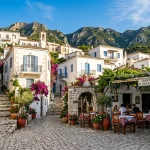
Exploring Zakynthos offers a journey into a vibrant tapestry of culture, where every corner reveals a fragment of its rich heritage. As you wander through the picturesque streets of Zakynthos Town, you’ll be embraced by the island’s stunning architecture, a seamless blend of Venetian influence and traditional Greek design. The locals are proud of their roots, and each conversation will likely unveil layered stories steeped in history. From the iconic blue-domed churches to the lively open-air markets, it feels as though the past is very much alive here.
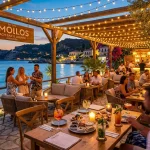
Strolling through the charming village of Keri or the serene lanes of Volimes allows you to grasp the essence of traditional Zakynthian life. You might find yourself welcomed into a family-owned taverna, where they’ll serve you delicious homemade dishes at a fraction of the cost you’d expect in a tourist crowded spot. Traditional recipes, often passed down through generations, incorporate fresh local ingredients like olives and herbs, creating a genuine taste of the island. Prices can vary, but expect to pay around €10-15 for a hearty meal.
Festivals and Local Traditions
Festivals in Zakynthos breathe life into its cultural heritage, celebrating the island’s patron saint, Dionysios, with colorful parades and traditional music. The Feast of St. Dionysios occurs in August and showcases local customs including the exhilarating re-enactment of historical events. Attending such festivals offers not just entertainment but an immersive experience into the local spirit and communal joy, making it a must-do for any traveler.
Here, spirituality intermingles with daily life; the island’s numerous churches and monasteries stand as testimonies of its robust religious practices influenced by both Orthodox traditions and local customs. Recommendations for quieter visits include early mornings when the serene atmosphere allows for reflection and connection with the local community.
Practical Tips for Travelers
To truly experience the cultural heartbeat of Zakynthos, consider these tips:
- Best Times to Visit: The ideal months are May to June and September to October, when the weather is agreeable and the crowd levels are milder.
- Getting Around: Renting a car is advisable, prices range from €30-50 per day depending on the season and model. It allows you to explore hidden gems such as the stunning cliffs of Navagio Bay or the tranquil beaches of Gerakas.
- Local Markets: Don’t miss the Zakynthos Town market on Saturdays, perfect for picking up local produce, handmade crafts, and the famous local honey.
Embrace the stories, savor the food, and engage with the locals. In Zakynthos, each moment resonates with the echoes of its vibrant past, making every visit a chance to connect with an island that uniquely balances its rich heritage with a welcoming embrace for all travelers.
The Influence of Venetian Rule on Zakynthos

The legacy of Venetian rule is intricately woven into the cultural fabric of Zakynthos, leaving an indelible mark on its architecture, cuisine, and social customs. From the mid-15th century until the late 18th century, the Venetians governed Zakynthos, transforming it into a critical maritime hub. This era shaped not just the island’s economy, but its identity, introducing a hybrid culture that beautifully melds Italian and Greek influences. As you stroll through Zakynthos Town, the evidence of this period is unmistakable. The narrow streets lined with neoclassical buildings, adorned with wrought iron balconies, tell tales of a time when Venetian nobles called this island home.
One of the most captivating aspects of Venetian influence on Zakynthos is visible in the island’s architecture. Structures like the Church of St. Denis and the post-earthquake reconstruction of buildings reflect a harmonious blend of Byzantine and Venetian styles. Many churches display baroque elements combined with traditional Greek designs, showcasing the unique aesthetic that emerged during Venetian rule. If you take a moment to explore the alleys of the town, you’ll find charming squares such as Solomos Square, where the past converges with present-day life, inviting you to pause for a local coffee while soaking in the surroundings.
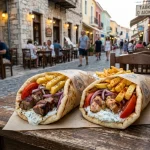
Culinary offerings on the island have also been shaped by this rich history. Traditional dishes often feature ingredients and flavors that echo the Venetian palate. Local specialties like stifado (a hearty stew) and souvlaki draw on Mediterranean influences, enhanced with spices typical of Venetian cuisine. Don’t miss the opportunity to dine at a family-run taverna where you can taste a dish rich in history. Prices vary, but expect to enjoy a meal for around €15-20, a small price for experiencing the island’s warm hospitality alongside its culinary heritage.
Finally, the societal structure fostered during Venetian times still resonates today. The multi-ethnic character of Zakynthos, which includes influences from Italian, Ottoman, and local traditions, creates a rich cultural tapestry celebrated during local festivals. This blend can be seen in the exuberant celebrations of Saint Dionysios, where traditional music, dance, and rituals creating a vivid display of the island’s heritage. Engaging with locals during these festivities can provide a deeper understanding of their unique history, making it an essential part of your visit. Embrace the stories and embrace the blend of cultures that makes Zakynthos not just an island of beauty, but a living museum of its vibrant past.
Mythology and Folklore: Zakynthos Legends Unveiled

Legends swirl like the gentle Aegean breeze around Zakynthos, infusing this island with a sense of wonder and enchantment. From ancient myths involving gods and heroes to local tales steeped in romance and tragedy, the folklore of Zakynthos is an essential part of its cultural identity. As you explore its stunning landscapes-think turquoise waters and dramatic cliffs-you’ll discover that many of these natural features are woven into the fabric of the island’s stories.
One of the most captivating figures in Zakynthos’ mythology is Dionysus, the Greek god of wine and festivity, who is believed to have a particularly close relationship with the island. Legend has it that he brought vines to Zakynthos, gifting the island with the lush landscapes and celebrated wine production that endures today. When you sip on a glass of local wine, you’re not just tasting the fruit of the earth but also partaking in the legacy of a deity who loved this island as much as its people do.
Local lore also tells tales of the fairy-like creatures known as “Naiads,” water nymphs believed to inhabit the island’s springs and streams. These enchanting beings symbolize the natural beauty and spirit of the island, captivating the imagination of those who hear their stories. You might find that a visit to the Blue Caves near Agios Nikolaos-where the ethereal light and crystal-clear waters evoke a sense of magic-is an experience that brings these legends to life. Don’t forget to take a boat tour; it’s a fantastic way to dive deeper into the myths as your guide shares local stories and insights, all while surrounded by breathtaking scenery.
The rich tapestry of Zakynthos’ mythology isn’t just confined to antiquity; it’s reflected in modern traditions and festivals. The feast of Saint Dionysios, the island’s patron saint, is a celebration infused with local customs that highlight both spirituality and folklore. Expect lively processions filled with music, dancing, and heartwarming stories of the saint’s miracles, which resonate profoundly with the local communities. Participating in this festival, or any local event, will allow you to experience firsthand the living heritage of Zakynthos, making it a perfect occasion for both understanding its past and celebrating its vibrant present.
Embrace the magic of Zakynthos-each legend you uncover and every story told will make your journey more enriching and memorable. Whether you’re a history enthusiast or simply seeking inspiration in the breathtaking vistas, the island’s myths and folklore offer a profound connection to its enchanting heritage.
Architectural Wonders: Historical Sites to Visit
Zakynthos isn’t just a feast for the eyes; it’s a treasure trove of architectural wonders that tell the story of the island’s rich past and diverse influences. Here, every stone whispers tales from centuries gone by, making it an ideal destination for history buffs and casual travelers alike. From sprawling Venetian mansions to charming Byzantine churches, let’s embark on a captivating journey through the island’s historical sites that you simply cannot miss.
One of the standout architectural gems is the St. Dionysios Church in Zakynthos Town. This striking structure, adorned with ornate frescoes and intricate iconography, is dedicated to the island’s patron saint. The church is notable not just for its spiritual significance but also for its beautiful bell tower that rises majestically above the skyline. Climbing to the top rewards you with breathtaking panoramic views of the town and nearby harbor-perfect for capturing that Instagram-perfect moment! The church is free to enter, but be mindful of visiting hours; it’s best to go early in the morning when the light pours in beautifully.
Venetian influences are palpable as you wander through the narrow streets of Zakynthos Town. The Hercules Gate at the fortress of Bochali offers a glimpse into the island’s Venetian past. The fortification, perched above the town, gives stunning views of the Ionian Sea and the patchwork of terracotta rooftops below. While the walk up might require a bit of effort, the historical insights from local guides can elevate your experience, often combined with entertaining anecdotes about the island’s vibrant history.
For a taste of the island’s ecclesiastical flair, a visit to the Greece’s former capital of Zakynthos would not be complete without stepping into the Church of Agios Nikolaos, famous for its majestic dome and elegant marble altar. This is where you can see the remnants of the island’s tumultuous history, particularly following the 1953 earthquake, when many of the island’s structures were rebuilt, blending old styles with new resilience.
After indulging in cultural exploration, don’t miss a stroll through the Schiza Hill area. This hidden gem is not just a place of natural beauty, but also home to remnants of ancient stone walls and buildings steeped in history. There are little local tavernas nearby where you can relax and sample some traditional Zakynthian delicacies-try the moussaka or local wines!
Each site on Zakynthos offers a different perspective on its multifaceted history, making the island a captivating destination. Whether you’re a couple looking for romantic spots, a family eager for educational adventures, or a solo traveler hungry for inspiration, Zakynthos’s architectural wonders await your discovery, showcasing a legacy that is both rich and accessible. Always make sure to check local guides or apps for updated visiting hours and any potential entry fees to maximize your experience!
Arts and Crafts: The Soulful Expressions of Zakynthos
When you step foot on Zakynthos, you’re not just arriving at a picturesque paradise defined by its turquoise waters and dramatic cliffs; you’re entering a vibrant world of arts and crafts that encapsulate the island’s soul. The artisans of Zakynthos pour their heart into every piece they create, making it a delightful treasure trove for visitors eager to experience the island’s cultural heritage. From traditional pottery to intricate embroidery, these craft forms tell the stories of generations, connecting the past with the present.
One of the most enchanting aspects of Zakynthian craft is the decorative ceramics produced in the region. Local workshops offer artisanal pottery classes where you can get hands-on experience, shaping your own pieces as you learn about age-old techniques passed down through families. Expect to find beautifully painted plates and ceramic tiles that feature designs inspired by the island’s natural beauty and historical motifs, making for perfect souvenirs. Prices for pottery vary, with unique pieces typically starting around €15 – €20.
Textiles and Weaving Traditions
Beyond ceramics, textiles play a significant role in Zakynthos’ artistic expression. The island is home to skilled weavers who create traditional textiles using methods that have been practiced for centuries. You can often visit these workshops, where you’ll see the mesmerizing process of weaving colorful fabrics. These textiles are not only functional-enhancing the local homes with vibrant colors and intricate patterns-but also serve as storytelling mediums reflecting local myths and traditions. Prices for these handcrafted items usually range from €25 for smaller pieces to upwards of €100 for larger, intricate works.
Art Exhibitions and Local Markets
To truly appreciate Zakynthos’ artistic endeavors, don’t miss the local markets and exhibitions that showcase both contemporary and traditional arts. The Zakynthos Art Gallery, located in the heart of the town, often features rotating exhibits of local artists, allowing you to immerse yourself in the island’s creative spirit. Additionally, your visits on weekends may coincide with local craft markets, where you can discover a variety of handcrafted goods-from jewelry to wooden carvings-while connecting with the artisans themselves. These markets not only help support the local economy but also provide a warm, welcoming atmosphere for tourists and locals alike.
Exploring the arts and crafts scene of Zakynthos means embracing a journey through the island’s cultural identity. It’s an opportunity to bring home not just a piece of art, but a story, a memory, and an appreciation for the rich traditions that continue to flourish on this charming island. Whether you’re a family seeking engaging experiences, couples looking for unique mementos, or solo travelers eager for inspiration, the soulful expressions of Zakynthos await you. Don’t forget to ask the artisans about their creations; these stories enhance every piece, making your connection to Zakynthos even more meaningful.
Local Cuisine: Tastes of Zakynthos and Their Stories
When you wander through the sun-soaked streets of Zakynthos, the aromas wafting from tavernas and street vendors pull you in like a siren’s song. The local cuisine is not just a feast for the palate; it’s a tapestry woven from the island’s rich history and cultural heritage. Think hearty dishes that tell stories, with flavors influenced by both the land and the sea, reflecting centuries of culinary evolution shaped by the island’s various rulers, including the Venetians.
One of the signature dishes you must try is Sofrito, a delightful stew made of tender beef simmered in a fragrant white wine sauce with herbs and garlic. This dish hails from Venetian influence, bringing a taste of Italian flair mixed with local ingredients. Enjoy it with a side of roasted potatoes or the island’s native Salad of Zakynthos, which bursts with fresh, vibrant flavors from local tomatoes, cucumbers, and olives. Many tavernas, especially in the capital city, have daily specials where you can sample seasonal offerings.
Local Delicacies and Their Significance
You can’t truly experience Zakynthos without indulging in Octopus, grilled to perfection and earning high praise among locals and visitors alike. The traditional method involves marinating the catch in olive oil, lemon juice, and a sprinkle of local oregano. Pair it with a glass of Robola wine, produced from vineyards located on the higher altitudes of the island, where the unique soil and climate contribute to its distinctive taste. Don’t hesitate to explore local wineries for tastings that often cost around €10-15, providing a delightful afternoon of flavor exploration.
Pastries and Sweet Treats
For dessert, Baklava is a must-have, with layers of flaky pastry, nuts, and syrup that perfectly encapsulate the island’s sweet side. Make sure to also seek out Kavourmas, a traditional local cookie flavored with spices and often enjoyed during festivals, encapsulating the pride of Zakynthian baking traditions. Visits to local markets, such as the one on the mainland where baked goods are sold, are your best bet for finding authentic flavors at friendly prices-typically around €3-5 per treat.
As you dive into the culinary landscape of Zakynthos, remember that every bite tells a story. From the family-run tavernas where recipes have been passed down through generations to vibrant markets bustling with local produce, the island offers a sensory-rich experience that connects you to its heritage. Whether you’re a couple savoring a romantic dinner by the sea or a family looking to indulge in the local vibes, the tastes of Zakynthos promise to enhance your adventure, enriching your travel with unforgettable flavors and stories to share.
Festivals and Celebrations: Experience Local Life
While exploring the spirited atmospheres of Zakynthos, you’ll notice that the island’s character shines brightest during its vibrant festivals and celebrations. Each event serves as a heartfelt tribute to local traditions, offering visitors an immersive glimpse into the zest and rhythm of island life. Whether you’re a couple seeking romance, a family eager to forge memories, or a solo traveler hungry for authentic experiences, participating in these festivities will deepen your connection to Zakynthos’ culture.
The summer months bring a wealth of celebrations, but perhaps the most enchanting is the feast of the Assumption of the Virgin Mary on August 15th. This event envelops the island in a joyful spirit, with lively processions, traditional music, and folk dancing illuminating the streets. In the quaint village of Volimes, you’ll find the locals donning traditional attire, showcasing performances that resonate with age-old stories. The aroma of grilled meat and local delicacies wafts through the air as stalls offer various mouthwatering treats-think Local Cheese Pies and Honey Sweets.
As you wander through Zakynthos Town during the Zante Carnival in early spring, you’ll witness colorful parades complete with floats, masks, and costumes that come alive in a burst of creativity. Families flock to join in the festivities, with children laughing and dancing alongside the locals. This carnival is an excellent opportunity to experience the island’s communal spirit; tradition meets fun as participants engage in playful pranks and lively debates, embodying the essence of Greek humor. Don’t miss the fireworks that beautifully cap off the celebration at night!
For a more intimate experience, visit the Fiesta Agiou Dionisiou in late August, which honors the island’s patron saint. The day is filled with religious ceremonies and solemn processions, but by evening, it transforms into a lively party, where locals and visitors alike come together for feasting and music. Expect to see traditional dance forms like the Kalamatianos, often performed spontaneously, inviting all to join in.
Remember to check local schedules for demi tickets, which often range from free to around €10, depending on the event and offerings. Also, be mindful of transportation; if attending evening events, taxis may be a bit harder to find, so plan ahead or see if you can arrange a ride with your accommodation. Families can revel in kid-friendly activities and celebrations, while solo travelers will find ample opportunities to connect with locals and fellow wanderers alike, creating lasting friendships amidst the festivities.
Engaging in Zakynthos’ festivals offers far more than just a visual spectacle; it immerses you in the island’s soul, enriching your travel experience with stories, local flavors, and camaraderie-an unforgettable journey through time and tradition.
Nature’s Impact on Zakynthos’ Cultural Identity
The breathtaking landscapes of Zakynthos not only enchant visitors but also deeply influence the island’s cultural identity. Known for its stunning turquoise waters and dramatic cliffs, the island serves as a canvas for nature’s artistry, shaping the traditions, stories, and daily lives of its inhabitants. This intimate connection between the natural environment and local culture can be felt in various aspects of life on the island, from the food on your plate to the rhythms of its traditional music.
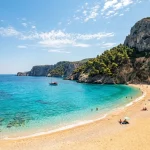
Exploring Zakynthos’ striking natural beauty offers a first-hand experience of how locals celebrate their environment. For instance, the famous Shipwreck Beach (Navagio) is not just a postcard-perfect spot; it’s steeped in legend and a testament to the island’s maritime history. Visitors often marvel at the stories of shipwrecks that led to this secluded cove, where stunning limestone cliffs meet the sea, embodying both danger and allure. Alongside these beautiful sites, nature plays a crucial role in local economies. Fishing, a vital tradition, thrives due to the island’s rich marine biodiversity, encouraging family businesses and local markets where the freshest catch becomes part of the culinary staples on the dinner table.
The influence of nature extends beyond physical beauty; it resonates through the island’s cultural expressions. The traditional music of Zakynthos often reflects the sounds of its environment. The use of natural materials in local arts and crafts showcases the creativity inspired by the land. From handcrafted pottery glazed in earthy tones to the intricate designs of woven textiles, visitors can see how the island’s flora and fauna inspire these creations. Engaging with local artisans in villages like Volimes provides an immersive experience of this artistic connection while supporting the preservation of these crafts.
If you’re planning your trip, consider visiting during the spring or early fall, when both nature and culture come alive with vibrant festivals. For example, in May, the blooming wildflowers create a colorful backdrop for the Feast of the Virgin Mary, blending nature with spirituality and traditional celebrations. Remember to pack comfortable walking shoes to explore the scenic trails, and don’t hesitate to try local dishes like fresh calamari or olive oil, each telling a story of the land’s bounty. By embracing these experiences, you become part of Zakynthos’ ongoing narrative, where nature and culture intertwine beautifully.
The Role of Religion in Zakynthos’ Heritage
The rich tapestry of religion in Zakynthos deeply intertwines with the island’s cultural identity, echoing through its historical narratives and everyday life. Religion is not merely a belief system here; it is a vibrant part of communal life that informs traditions, celebrations, and even the architecture that graces this stunning island. Known for its numerous churches and monasteries, Zakynthos offers a unique glimpse into the devout spirit of its inhabitants, where the past dances harmoniously with the present.
One cannot explore Zakynthos without encountering the magnificent St. Dionysios Church in Zakynthos Town, dedicated to the island’s patron saint. The church is a breathtaking site, reflecting a blend of classical and Byzantine architectural styles. Inside, you’ll find the saint’s relics, believed to possess miraculous powers. The annual feast on December 17 is a major event, drawing locals and visitors alike, filled with processions and vibrant celebrations that highlight the community’s devotion. Participating in such festivities provides a profound connection to the island’s spiritual and cultural heritage.
Religious festivals punctuate the calendar on Zakynthos, where each event is steeped in history and vibrant local traditions. The Feast of the Virgin Mary in August is particularly noteworthy, celebrated with feasts, music, and lively dances that provide an immersive experience of local culture. These events not only strengthen community bonds but also offer travelers a chance to witness the island’s deep-seated reverence for its religious customs and the shared stories that shape their collective identity.
When visiting, consider taking time to explore the various chapels scattered across the island. These sites often provide stunning views alongside a peaceful retreat from the bustling tourist areas. Watching the sunset from a hillside chapel can be a transcendental experience, merging nature’s beauty with the serenity of spirituality. To truly appreciate Zakynthos, one must embrace the rhythms of life intertwined with faith, from the prayers whispered in ancient chapels to the jubilant celebrations in town squares. This relationship with religion not only enriches the cultural landscape but also offers an authentic glimpse into the soul of this enchanting island.
Modern Zakynthos: Balancing Tradition and Tourism
Modern Zakynthos is a captivating blend of rich traditions and the vibrant pulse of tourism, where ancient customs meet contemporary travel. With its breathtaking turquoise waters and dramatic cliffs, the island truly feels like paradise. Yet, behind this idyllic facade lies the daily dance of locals striving to preserve their cultural heritage amidst the ever-growing influx of visitors.
As you step into Zakynthos, you’ll notice that local livelihoods often revolve around the tourist experience. From charming family-run tavernas serving mouthwatering dishes like moussaka and souvlaki to small artisans crafting unique souvenirs, visitors are invited to partake in the island’s traditions. Embrace the atmosphere by dining at places like Taverna Mantalena, where locals gather, and you’ll enjoy authentic flavors and possibly a traditional folk song or dance if you’re lucky.
However, as you explore, it becomes clear there’s a fine line to tread. Many locals are eager to share their culture but are also wary of the impact mass tourism can have. Peak tourist season, from June to August, can bring about crowded beaches and busy streets, which is why early spring or late fall is ideal for a more serene experience. The weather remains pleasant, and major attractions like the stunning Navagio Beach are far less congested.
To truly appreciate Zakynthos, consider taking part in local festivals, such as the Feast of St. Dionysios, held each December. It’s a fantastic opportunity to witness traditional music and dance while engaging with the community. You might even discover lesser-known events, which highlight the island’s agricultural heritage, with local produce and homemade goods on display.
Ultimately, while the island beautifully showcases its historical essence, it remains accessible and welcoming to all travelers-families, couples, and solo adventurers alike. You’ll find that blending relaxation with exploration of Zakynthos’ cultural treasures not only enriches your visit but also supports the continued vitality of this stunning island’s heritage. So pack your bags, and prepare to create unforgettable memories in a place that celebrates both its past and its bright future!
Essential Tips for Exploring Zakynthos’ History and Culture
To truly immerse yourself in the vibrant tapestry of histories and cultures that Zakynthos has to offer, it’s essential to step beyond the well-trodden tourist path. As you wander through the charming villages and seaside towns, you’ll find that every cobblestone street and local taverna tells a story, waiting for someone to listen. The island pulses with life, from its ancient ruins to contemporary art galleries, making it a delightful destination for those who appreciate both history and community.
One key tip is to visit during the shoulder seasons-late spring and early autumn-when the crowds are lighter, and you can engage more intimately with locals. This is the perfect time for exploring renowned sites like the Byzantine Museum in Zakynthos Town, which showcases the island’s rich religious heritage, and the nearby Solomos Museum, dedicated to the national poet, Dionysios Solomos. Expect fewer tourists and a more authentic experience, allowing you to connect deeply with the island’s cultural context.
When dining out, seek out family-run eateries, such as the beloved Taverna Mantalena or To Perasma, where traditional recipes are passed down through generations. Not only will you enjoy hearty dishes like moussaka or pastitsio, but you’re also likely to strike up a conversation with warm-hearted locals who are eager to share stories about their island.
Participating in local festivals can enhance your connection to Zakynthos’ culture. Events such as the Feast of St. Dionysios not only celebrate religious traditions but also feature folk music and dance. These communal gatherings are a wonderful way to witness and appreciate the island’s living culture. Be sure to check local calendars and perhaps even ask locals about smaller, lesser-known events that can provide unique insights into everyday life on the island.
Lastly, don’t forget to explore the natural beauty that has shaped Zakynthos’ identity. The dramatic cliffs and stunning beaches, particularly the famous Navagio Beach, are not just picturesque; they are integral to the island’s folklore and history. A boat trip around the island can reveal hidden caves and secluded coves, letting you feel the spirit of Zakynthos as you take in its breathtaking landscapes.
By blending these practical tips with a curious spirit, you can experience the heart and soul of Zakynthos-an island that hums with history and welcomes those willing to engage with its cultural richness.
Q&A
Q: What historical events shaped Zakynthos’ identity?
A: Zakynthos’ identity was shaped by various historical events, including the fall of Byzantine rule and the rise of Venetian control in the 15th century. These shifts brought architectural influences, economic growth, and a unique blend of cultures that still characterize the island today. Explore the *Rich History of Zakynthos* for more insights.
Q: How did Venetian influence impact Zakynthos’ culture?
A: Venetian rule significantly impacted Zakynthos’ culture, introducing architectural styles, agricultural practices, and a flourishing arts scene. The Venetians established the island as a trade hub, which fostered a blend of local and Venetian customs, evident in the *Architectural Wonders* of the island.
Q: What myths and legends are associated with Zakynthos?
A: Zakynthos is rich in mythology, with many legends including those of the nymph Zante and the tale of the famed shipwreck. These stories highlight the island’s connection to ancient Greek folklore and its *Cultural Heritage*, enriching the local identity.
Q: Are there any traditional crafts unique to Zakynthos?
A: Yes, Zakynthos is known for its traditional crafts, including pottery and weaving. Local artisans often use age-old techniques passed down through generations. Discover the *Arts and Crafts* of Zakynthos for details on where to find these unique creations.
Q: How does religion influence the cultural practices in Zakynthos?
A: Religion plays a pivotal role in Zakynthos’ cultural practices, with numerous festivals and rituals celebrating the Orthodox faith. The island’s churches and religious events, such as *Panagia Skopiotissa*, embody the spiritual heritage integral to the island’s identity.
Q: What festivals highlight the culture of Zakynthos?
A: Zakynthos hosts numerous festivals throughout the year, such as the *August Festival*, celebrating local music, dance, and gastronomy. These events offer visitors a unique opportunity to experience the island’s vibrant traditions and lively community spirit firsthand.
Q: How has tourism affected traditional Zakynthos culture?
A: Tourism has significantly impacted traditional culture in Zakynthos, both positively and negatively. While it has led to economic growth and a revival of some traditions, it has also posed challenges to preserving authentic local practices. Explore *Modern Zakynthos* to understand this balance better.
Q: What are the key historical sites to visit in Zakynthos?
A: Key historical sites in Zakynthos include the *Byzantine Museum*, featuring artifacts from the island’s rich past, and the ruins of *Venetian Castles*. These sites offer a glimpse into Zakynthos’ storied history and are essential stops for any history enthusiast visiting the island.
To Wrap It Up
As we wrap up our journey through the rich history and vibrant culture of Zakynthos, we hope you’re feeling inspired to explore this captivating island. From the tales of the legendary Navagio Beach to the local traditions that have shaped its identity, Zakynthos offers a unique blend of breathtaking beauty and fascinating heritage. Are you ready to dive deeper into the island’s wonders? Check out our guides on the best beaches and local dining spots to enhance your experience further!
For those planning your adventure, don’t miss our tips on the most scenic times to visit, as well as practical information on transportation and accommodations. Curious about the island’s hidden gems? Join our newsletter for insider updates and exclusive content that will make your trip memorable.
Let’s keep the conversation going! Share your Zakynthos experiences in the comments below or connect with fellow travelers. The magic of Zakynthos awaits, and we’re here to guide you every step of the way!
Zakynthos History in Zakynthos: Essential Guide & Highlights
When planning your itinerary around zakynthos history in Zakynthos, local insights and practical preparation make a significant difference. The island offers diverse landscapes ranging from rugged northern limestone cliffs to tranquil southern marine reserves where loggerhead sea turtles thrive.
Key Recommendations & Regional Highlights
- Optimal Visiting Times: Early morning (before 10:30 AM) and late afternoon (golden hour) provide the best lighting, cooler temperatures, and fewer crowds.
- Local Logistics: Having access to a private rental vehicle, licensed taxi, or organized boat excursion allows seamless exploration beyond the primary resort strips.
- Scenic Points & Nearby Attractions: Combine your visit with nearby coastal tavernas serving fresh seafood and traditional Zakynthian specialties like ladotyri cheese and wild rabbit stew.
| Aspect | Details & Practical Advice |
|---|---|
| Best Season | May through October (Peak: July–August; Pleasant: June & September) |
| Transportation | Rental car, scooter, ATV, or boat charter depending on location |
| Local Specialty | Authentic Ionian gastronomy, local Verdea wine, and extra virgin olive oil |
Get our latest guides, news, and insights highlighted in your Google Search & AI Overviews.