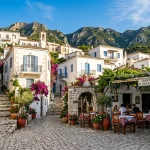
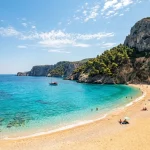
Zakynthos, often celebrated for its breathtaking beaches and vibrant culture, is also a destination deeply influenced by its climate. Understanding the temperature and weather patterns is key to planning your perfect getaway. With hot summers and mild winters, the island offers a memorable experience year-round, but knowing when to visit can enhance your adventure.
Picture basking in the warm sun on Navagio Beach or exploring the lush landscapes in spring. Yet, it’s important to be aware of how weather changes can impact your plans-whether you’re seeking a relaxing family vacation or an energetic party escape. In this guide, we’ll uncover the climate intricacies of Zakynthos, helping you navigate the best times to soak in its natural beauty and vibrant atmosphere. Embrace the journey ahead and let Zakynthos reveal its secrets as you plan your unforgettable visit!
Weather Overview: Understanding Zakynthos’s Climate Zones
The climate of Zakynthos is as inviting and diverse as its stunning landscapes, making it a memorable destination for all types of travelers. The island primarily boasts a Mediterranean climate, which means hot, dry summers and mild, wet winters. This climatic zone creates a perfect backdrop for enjoying its famous turquoise waters, dramatic cliffs, and lush greenery. Whether you’re lying on a sun-kissed beach or exploring the rugged terrain, understanding Zakynthos’s climate will enhance your experience and help you plan your activities.
Throughout the year, Zakynthos experiences distinctive seasonal temperature fluctuations. Summer, from June to September, is characterized by warm temperatures ranging from 25°C to 35°C (77°F to 95°F), ideal for beachgoers and outdoor adventurers. Spring and autumn are equally pleasant, with temperatures hovering around 20°C to 25°C (68°F to 77°F), providing the perfect climate for hiking and sightseeing without the sweltering heat. In winter, temperatures can drop to around 10°C to 15°C (50°F to 59°F), accompanied by occasional rainy days; however, the island’s beauty remains alluring even during the cooler months.
When selecting the best time to visit Zakynthos, consider both the weather and local events. Late spring (May to early June) and early autumn (late September to October) are often recommended. These periods offer warm temperatures, blooming flora, and fewer crowds compared to the peak summer months. This is also when the island hosts various local festivals, allowing visitors to immerse themselves in the local culture while enjoying favorable weather conditions.
Planning outdoor activities requires keen attention to rain patterns. Zakynthos typically sees its rainfall from late autumn through early spring, with November and December being the wettest months. However, rain usually comes in short bursts, allowing plenty of time for exploration. The island’s lush vegetation thrives thanks to this seasonal rainfall, making spring an especially beautiful time to visit when wildflowers blanket the landscapes. Understanding these patterns is essential for maximizing your time in nature, exploring hidden coves, or embarking on hiking adventures without the constant worry of unexpected showers.
The beauty of Zakynthos lies not only in its stunning natural attractions but also in the diverse weather conditions that shape its vibrant environment. With this knowledge, you can effectively plan your escapades and truly savor all that this enchanting Greek island has to offer.
Seasonal Temperature Fluctuations: What to Expect Year-Round
The beauty of Zakynthos unfolds through its diverse seasonal temperature fluctuations that shape the island’s enchanting landscapes and vibrant experiences. If you’re dreaming of sun-drenched beaches or cozy winter strolls, understanding what to expect from the island’s climate throughout the year will help you plan your perfect getaway.
Summer Splendor
When summer sweeps over Zakynthos, from June to September, the island radiates warmth, inviting travelers to bask in its allure. Temperatures typically soar between 25°C and 35°C (77°F to 95°F), making it the perfect time for beach enthusiasts and outdoor adventurers. The long daylight hours not only provide ample sunlight for sunbathing but also allow for exciting excursions-think boat trips to iconic spots like Navagio Beach or hikes along breathtaking cliffs. Don’t forget to pack sunscreen and those beloved swimsuits!
Spring and Autumn: Ideal Mildness
As the island transitions into spring (March to May) and autumn (September to November), expect delightful temperatures ranging from 20°C to 25°C (68°F to 77°F). This is a fantastic time for families and nature lovers to explore the island’s rich flora and fauna. With fewer crowds than in summer, you can hike the scenic trails, visit local markets, or enjoy some of the island’s hidden gems without the rush. The blooming wildflowers in spring create a picturesque backdrop for unforgettable photos!
Winter’s Gentle Embrace
Even winter holds its charm on Zakynthos. From December to February, temperatures can dip between 10°C and 15°C (50°F to 59°F). While this is the wettest time of the year, bringing occasional rain showers, the island’s beauty still shines through. Cozy up at a beachfront tavern with a delicious meal, or explore the quieter surroundings, where the azure waters crash against serene cliffs. Many tourists overlook these months, but for those seeking tranquility and a deeper connection to local life, winter presents a unique experience.
No matter the season, each time on Zakynthos holds its own set of wonderful experiences and stunning landscapes. Whether you’re soaking up the summer sun, enjoying the mildness of spring or autumn, or embracing the quiet beauty of winter, knowing what to expect from the island’s temperature variations can help make your visit unforgettable. So pack accordingly, and get ready to explore this captivating paradise year-round!
Best Times to Visit Zakynthos: Weather and Events to Consider
The allure of Zakynthos is irresistible, drawing visitors with its stunning beaches and vibrant culture, but the timing of your visit can make all the difference. Planning around the island’s weather and events ensures you experience its best offerings, whether you’re lounging on the iconic Navagio Beach or exploring the quaint villages.
For the ultimate experience, the summer months-from June to September-are undeniably popular. During this time, the island basks in warm temperatures, typically ranging from 25°C to 35°C (77°F to 95°F). The long days are perfect for sun-seekers and adventure enthusiasts alike; picture yourself cruising the turquoise waters or hiking up the dramatic cliffs bathed in golden light. Just remember, this is peak tourist season, so book accommodations in advance and expect vibrant crowds, especially in tourist hotspots like Laganas or Zakynthos Town.
If you prefer milder weather and fewer tourists, consider visiting in spring (March to May) or autumn (September to November). During these periods, temperatures hover between 20°C and 25°C (68°F to 77°F), making it ideal for outdoor activities like hiking to hidden beaches or exploring the island’s natural wonders without the summer rush. Spring is particularly enchanting as the island bursts into color with wildflowers, while autumn offers a more serene experience with beautiful sunsets and the lingering warmth of summer, often accompanied by local harvest festivals.
Don’t overlook the winter months from December to February. Although temperatures dip to around 10°C to 15°C (50°F to 59°F) and the island experiences more rain, this season unveils a different charm. The serene atmosphere allows for a deeper connection to local life. Many restaurants stay open, and you can enjoy traditional dishes while overlooking the calming sea. Plus, it’s a fantastic time for budget travelers, as accommodation prices drop significantly.
To enhance your visit, consider these local events that align beautifully with the seasons:
- The Feast of Saint Dennis (October 17): Celebrate the island’s patron saint with lively processions and local music.
- Zakynthos Carnival (February): Experience festive parades, traditional dances, and cultural events, perfect for families and those wanting to immerse themselves in local traditions.
- Summer Festivals (July and August): Enjoy music, food, and dance festivals held under the stars along the waterfront.
Whether you’re seeking lively summer vibes, tranquil spring or autumn adventures, or the charm of winter’s quiet beauty, every season offers an opportunity for unique experiences. So pack your bags according to the season and dive into the magic of Zakynthos!
Exploring Zakynthos Rain Patterns: When Does It Rain?
There’s something magical about experiencing Zakynthos’s rain patterns, as they add a refreshing twist to this vibrant island paradise. While many travelers flock to the island for its sun-soaked beaches, understanding when the rains come can enhance your trip and offer a unique perspective on Zakynthos’s natural beauty. Generally, the island’s rainy season spans from late fall through winter and into early spring, with the heaviest rainfall occurring in December and January. This seasonal drizzle transforms the landscape, bringing forth a burst of lush greenery and vibrant wildflowers that you won’t want to miss.
While summer is predominantly dry, with bright sunshine and minimal rainfall, the occasional unexpected shower can occur, particularly in late afternoon. If you’re planning a visit and hope to dodge the rain, aim for the peak summer months-July and August-when rainfall is almost rare, and daily temperatures soar between 25°C and 35°C (77°F and 95°F). However, even during the wet months, rain tends to arrive in quick bursts followed by clear skies, offering a refreshing break from humidity.
Planning around the rain can provide opportunities to enjoy less crowded attractions. Consider exploring the island’s many indoor options, such as visiting the stunning Blue Caves, where the colors are even more striking against a moody sky, or take a break in one of the charming local tavernas, like the popular Avra Restaurant in Zakynthos Town, to savor warm, comforting dishes. Such experiences not only keep you dry but also enrich your understanding of Zakynthos’s culture and hospitality.
So, whether you’re chasing the sun or embracing the rain, knowing the weather patterns in Zakynthos can help you make the most of this breathtaking island. Don’t forget your umbrella during the rainy months, but also embrace the beauty that follows each shower-the island loves to flaunt its vibrant colors, especially after a refreshing downpour.
Understanding Humidity and Wind: Comfort Levels in Zakynthos
Humidity and wind play a crucial role in shaping the comfort levels for those exploring the stunning landscapes of Zakynthos. This enchanting island, known for its spectacular beaches and rich biodiversity, also presents an array of climatic conditions influenced by its geographical location and natural features.
During the summer months, expect humidity levels to rise, often hovering between 60% and 80%. While this may sound uncomfortable, the refreshing sea breeze that wafts through the island usually mitigates the muggy feeling, making beach days delightful. As you bask on the shores of Shipwreck Beach or stroll through the vibrant streets of Zakynthos Town, you might find that the wind offers a pleasant reprieve from the heat, particularly in the afternoons when the meltemi-a dry, northwesterly wind-comes into play. This seasonal wind can sometimes pick up speed, soothing sun-soaked afternoons and creating ideal conditions for sailing and other water activities.
It’s important to plan your activities with these factors in mind. The early morning and late afternoon typically offer the most comfortable temperatures accompanied by gentle winds, perfect for hiking the scenic paths of the island or enjoying a leisurely meal at a clifftop taverna. If you’re a family traveling with young children, consider scheduling outdoor adventures during these cooler parts of the day to avoid the midday heat. Local favorites like the charming seaside village of Alykanas not only benefit from the refreshing breezes but also provide a great atmosphere for families to relax after exploring.
As you navigate Zakynthos, keep in mind that the late spring and early fall months (May and September) are often ideal for those seeking milder humidity levels, making these times great for sightseeing without the sweltering summer heat. Ultimately, understanding the interplay of humidity and wind can enhance your experience, ensuring that whether you’re lounging on the beach or adventuring through lush landscapes, Zakynthos offers a perfect slice of paradise nestled among the waves.
Weather Tips for Outdoor Activities: Planning Your Adventures
The breathtaking landscapes of Zakynthos invite outdoor adventures, but knowing when and where to go is key to making the most of your experience on this stunning island. Imagine hiking along the dramatic cliffs overlooking the turquoise waters or exploring secret beaches away from the bustling crowds. However, the weather can change, and being prepared will ensure your adventures are as enjoyable as possible.
Consider timing your activities to avoid the peak heat of midday. Early mornings and late afternoons are perfect for outdoor excursions. The softer light at these times not only makes for stunning photographs but also provides a more comfortable climate for hiking or sightseeing. For instance, the walk to the secluded views at Navagio Beach (Shipwreck Beach) is best planned in the morning when the sun is less intense, allowing you to fully appreciate the golden sand and azure waters. Be sure to carry plenty of water, as even mild hikes can lead to dehydration in the summer heat.
For those interested in water sports, the invigorating meltemi wind that sweeps through Zakynthos during the summer months often creates ideal conditions, particularly for sailing and windsurfing. Planning your activities around the wind forecast can enhance your experience significantly. Check local wind and weather resources to catch the best days for these thrilling watersports. If you’re new to sailing, consider joining a guided tour to explore hidden coves and pristine beaches along the coastline, all while enjoying the refreshing breeze.
Finally, do not overlook the unique local flora and fauna that thrive on this picturesque island. If hiking, consider visiting the trails in the Zakynthos countryside, where local guides often lead tours focusing on the island’s rich biological diversity. Not only will you uncover stunning landscapes, but you may spot endemic species unique to the area, offering a rewarding experience beyond just the breathtaking views.
When planning your trips around Zakynthos, aim for flexibility. The island’s weather can be unpredictable, and being adaptable ensures that you won’t miss out on the jewels of this enchanting destination. Whether you’re a couple seeking romance, a family on an adventure, or a solo traveler looking to meet others, Zakynthos promises unforgettable activities framed by its idyllic weather.
Impact of Climate on Zakynthos Flora and Fauna
The vibrant tapestry of Zakynthos’s flora and fauna thrives under the island’s distinct climate, marked by warm summers and mild winters. This Mediterranean environment nurtures a rich diversity of life, presenting visitors with an opportunity to explore unique ecosystems. Imagine walking along the sun-kissed cliffs, surrounded by lush greenery and colorful wildflowers, while the scent of olive trees dances in the warm breeze. It’s a natural paradise that speaks to the heart of every nature lover and adventure-seeker.
Flora plays a pivotal role in Zakynthos’s appeal. The island is home to numerous endemic species, including the rare and beautiful Centaurea akamantis, a flowering plant that blooms primarily in the wild hills. The warm temperatures and occasional rain nurture these plants, allowing them to flourish particularly during the spring months. For those keen on exploring, a hike through the trails of Lions Cave or the Keri Caves can reveal breathtaking vistas and an array of blooming plants, especially in early May when everything is in full bloom. Make sure to pack your camera to capture the stunning landscapes that change with the seasons.
Understanding the island’s fauna is equally rewarding. Zakynthos is a crucial nesting ground for the endangered loggerhead turtle (Caretta caretta), particularly on beaches like Gerakas and Laganas Bay. These turtles are a testament to the island’s commitment to preserving its natural heritage. If you’re lucky, you might catch a glimpse of them nesting or swimming in the crystal-clear waters. To enhance your experience, consider participating in local eco-tours focused on wildlife conservation. Not only will you witness these majestic creatures, but you’ll also learn about the ongoing efforts to protect their habitats.
Visitors should keep in mind that the local climate affects the best times for wildlife observation. Generally, spring and early fall are prime times for spotting birds and other wildlife, as many species are particularly active during these milder months. Remember to dress comfortably, wear good walking shoes, and bring sunscreen to stay protected from the sun while you explore.
Zakynthos is a living example of how climate shapes ecosystems and wildlife. As you wander through its natural landscapes, you’ll not only discover an array of plant and animal life unique to the region but also feel a deep connection to this breathtaking island paradise. Whether you’re a family looking to teach your kids about nature, a couple seeking romantic walks, or a solo traveler eager for adventure, Zakynthos offers an enchanting experience that beckons exploration and appreciation for its natural beauty.
Local Microclimates: Hidden Gems of Zakynthos Weather
Zakynthos is a treasure trove of local microclimates, creating tiny weather systems that can significantly enhance your visit. Each unique area of the island, from the lush hills of Volimes to the coastal plains near Laganas, offers different seasonal nuances that can impact everything from what to wear to the best activities of the day. You might find that while it’s sunny and calm in one part of the island, a refreshing sea breeze or an unexpected sprinkle of rain adds a twist in another.
For instance, the north of Zakynthos, particularly around the village of Skinari, is known for its cooler temperatures and more frequent rainfall, especially in spring and autumn. This microclimate nourishes the beautiful countryside and is perfect for hiking. If you’re hiking up to the famous Blue Caves, expect cooler winds and a chance of mist in the mornings, ideal for those picturesque photos of dramatic rock formations and azure water. Remember to pack a light jacket!
In contrast, the southern beaches, like those at Laganas and Kalamaki, bask in the sun, making them perfect for swimming and sunbathing, especially from late June to early September. Here, you’ll find a vibrant nightlife and family-friendly activities under mostly clear skies and warm temperatures. The evenings are typically balmy, perfect for a stroll along the beach or dinner at a seaside taverna. For those looking to explore at dusk, be sure to bring your favorite insect repellent, as the warmth can draw those pesky bugs out after sunset.
The interior of the island, particularly around the mountainous regions, creates a different scene altogether. With cooler temperatures and lush vegetation, local vineyards thrive, giving rise to a unique agricultural microclimate. Wine lovers might consider visiting local estates during the harvest season in late summer and early fall, when the weather is still warm but not overly hot, allowing a leisurely tour of the vineyards.
To make the most of your time in Zakynthos, it’s wise to check forecasts for specific areas before heading out. Consider joining guided tours that are mindful of these local weather changes and can provide the best experiences tailored to the conditions, whether that be a scenic boat ride or a cozy wine tasting. The microclimates here aren’t just subtle tweaks in weather; they are key to unlocking the full enchantment of this idyllic island!
Growing Trends: Climate Change Effects on Zakynthos
The beauty of Zakynthos, with its dramatic cliffs and azure waters, is increasingly intertwined with the pressing realities of climate change. As temperatures rise and weather patterns shift, the island faces a series of transformations that could impact both its stunning landscapes and the experiences of those who visit. It’s a reality that every traveler should acknowledge while planning their adventures in this Mediterranean paradise.
One notable trend is the increasing frequency and intensity of heatwaves. Summer temperatures are rising, often exceeding the pleasant warmth that used to define the peak season. This shift not only affects sunbathers but also has repercussions for local agriculture, particularly the vineyards that thrive in the cooler, temperate climate. Vineyards are adapting by changing the grape varieties they cultivate to ensure robust harvests despite the soaring temperatures. If you plan to visit, consider indulging in local wine tastings to appreciate the evolving flavors that climate change may bring to the island’s beloved wines.
Rainfall patterns are also changing, with some areas experiencing prolonged dry spells followed by heavy bursts of rain, which can lead to soil erosion and affect the unique flora of the island. The lush vegetation near villages like Volimes could face challenges, upsetting the delicate balance of the local ecosystem. For eco-conscious travelers, participating in or supporting reforestation and conservation efforts can have a positive impact. Engage with local initiatives that focus on preserving the natural beauty of Zakynthos, ensuring it remains a thriving destination for generations to come.
Moreover, rising sea levels pose a threat to the coastal areas, potentially altering the iconic beaches that attract tourists from around the world. For every traveler, this is a reminder of the fragility of such breathtaking landscapes. When planning your trip, consider supporting sustainable businesses and eco-friendly practices that prioritize the preservation of Zakynthos’s natural charm. From choosing accommodations that employ green practices to opting for local tour operators who respect the environment, your decisions can contribute meaningfully to protecting this beautiful island.
Engaging with the local culture and being aware of these climate changes can deepen your experience in Zakynthos. The island’s allure is undeniable, but an informed traveler can appreciate not only its beauty but also its challenges. This awareness fosters a deeper connection to the destination, transforming a regular vacation into an opportunity for meaningful engagement with a vital cause. Whether you’re hiking the rugged terrains or sunbathing on a golden beach, keeping climate change in mind enriches your journey and helps safeguard the treasures of Zakynthos for future explorers.
What to Pack: Weather Considerations for All Travelers
Imagine stepping off a boat onto the sun-kissed shores of Zakynthos, the salty breeze tousling your hair while the scent of Mediterranean herbs fills the air. Packing smartly for this stunning island not only enhances your experience but ensures that you’re ready for the dynamic weather conditions that vary throughout the year. Whether you’re here for the vibrant nightlife, pristine beaches, or rugged hiking trails, having the right gear can transform your adventure.
Start with the essentials that cater to the island’s warm, inviting climate. In the summer months, temperatures can soar above 30°C (86°F), so lightweight, breathable clothing is a must. Think loose-fitting dresses, shorts, and tank tops made from natural fabrics like cotton or linen. Don’t forget a wide-brimmed hat and sunglasses to protect yourself from the intense sun, especially when exploring breathtaking spots like the Blue Caves or Navagio Beach. If you’re visiting in late autumn or early spring, when temperatures can dip slightly, a light jacket or sweater will come in handy during cooler evenings.
Beach Gear
One of Zakynthos’s main draws is its spectacular beaches. Make sure to pack the following:
- Swimsuits: Bring at least two so you can alternate during beach hopping.
- Beach Towels: Quick-dry towels are ideal for the sand and sea.
- Flip-flops or Sandals: Comfortable footwear is essential for walking on hot sand.
- Snorkeling Gear: If you love exploring underwater, bring your own gear or check rentals available nearby.
Outdoor and Hiking Essentials
Zakynthos also offers stunning natural landscapes perfect for hikers and nature lovers. Depending on your activities, don’t forget:
- Sturdy Walking Shoes: Invest in good hiking shoes with grip-trails can be rocky!
- Reusable Water Bottle: Stay hydrated while exploring the hills and coastlines.
- Lightweight Backpack: Great for carrying snacks, a first aid kit, and your camera.
Weather Considerations
While soaking up the sun is delightful, be prepared for unexpected rain, especially in late fall. A compact, waterproof jacket or poncho can be a lifesaver. Not to mention, as you think about what to bring back home, consider packing some local wines or olive oil. Zakynthos produces some lovely ones, and these make perfect gifts or souvenirs, reflecting the rich flavors of the island.
Zakynthos is a gem of the Mediterranean, with its natural beauty calling out to every traveler. By packing thoughtfully, you can focus more on sipping OUZO by a tavern overlooking the sea, or diving into the turquoise waters, creating memories that will last long after the sun sets on your adventure.
Sunshine Hours: Maximizing Your Time in the Sun
With over 300 days of sunshine each year, Zakynthos truly lives up to its reputation as a sun-soaked paradise. The island’s geography plays a significant role in how the warm Mediterranean climate feels throughout the year, making it essential to plan your days carefully to maximize your time basking in the golden rays. Knowing when the sun is at its best can transform your experience, ensuring you enjoy everything from tranquil beach days to adventurous hikes.
During the summer months, particularly from June to September, daylight stretches long into the evening, with the sun setting as late as 8:30 PM. This is the perfect season to soak up the sun’s energy while exploring popular spots like the iconic Navagio Beach, where the midday sun creates a striking contrast against the white sands and turquoise waters. For early risers, catching the dawn light is magical-picture the first golden rays illuminating the dramatic cliffs of Zakynthos; it’s a sight that lingers in memory.
To truly make the most of your sunshine hours, consider planning beach visits for early morning or late afternoon. The heat of midday can be intense, sometimes peaking around 2 PM, when the sun is at its highest. During this time, why not retreat to a stylish beachfront taverna? Enjoy a refreshing Greek salad or a chilled local wine while appreciating the shimmering sea views. When you do venture back out, don’t forget your sunscreen-opt for a high SPF, reapplying generously, especially after swimming.
If you’re a nature enthusiast, Zakynthos offers lovely trails with stunning views, particularly at sunset. A popular evening activity is hiking to the cliffs overlooking the Ionian Sea, where you can witness the sunset painting the sky in fiery oranges and pinks. Bring a camera, as the vistas are breathtaking. Plus, many local tour operators offer sunset boat tours that allow you to experience the beauty of the island from a unique perspective.
Whether you’re lounging on the beach with a good book, exploring the island’s scenic vistas, or enjoying vibrant nightlife, timing your activities around the sunshine can enhance your Zakynthos adventure. Remember, while the sun is a source of joy and energy, the island’s charm extends beyond the glowing rays, so shine a light on every aspect of this magical destination.
Navigating Zakynthos Weather for Family-Friendly Activities
The weather in Zakynthos is a delightful companion for families exploring this beautiful island. With its sunny disposition and mild temperatures, Zakynthos offers a variety of family-friendly activities throughout the year. Understanding the weather patterns can greatly enhance your experience, ensuring your family enjoys every minute in this Mediterranean paradise.
During the summer months, particularly from June to September, expect warm to hot weather, making it ideal for beach outings and outdoor adventures. The daytime temperatures can hover around 30°C (86°F) or higher, so planning beach days in the morning or late afternoon is wise to avoid the strongest sun. Families often flock to beaches like Gerakas and Laganas, which have calm waters and gentle waves, perfect for children. To keep everyone safe under the sun, pack ample sunscreen, hats, and plenty of water to stay hydrated while engaging in beach games or splashing in the sea.
In the shoulder seasons of spring (April to early June) and autumn (late September to October), the weather remains pleasant, with temperatures ranging from 20°C to 25°C (68°F to 77°F). This is the perfect period for hiking and exploring the island’s nature trails without the sweltering heat, making it more enjoyable for family members of all ages. Consider visiting the National Marine Park, where you can spot sea turtles and take leisurely walks along the coastline.
When unexpected showers do occur, usually in late autumn or winter, don’t let it dampen your spirit. Zakynthos has plenty of indoor activities that can entertain the family, from visiting the local museums in Zakynthos Town to experiencing traditional Greek cooking classes, where you can learn to whip up local delights together.
No matter the time of year, Zakynthos is equipped to cater to families looking for fun and adventure. By preparing for the weather and planning activities accordingly, you’ll create lasting memories while soaking in the island’s stunning landscapes and vibrant culture. With the right mix of sunshine and exploration, your family’s journey in Zakynthos will be nothing short of magical.
Faq
Q: What is the temperature like in Zakynthos during summer?
A: During summer, Zakynthos experiences warm temperatures, typically ranging from 25°C to 35°C (77°F to 95°F). The island enjoys plenty of sunshine, making it perfect for beach activities. Keep in mind that July and August are the hottest months, so plan your outdoor activities accordingly to avoid the midday heat.
Q: When is the best time to visit Zakynthos for pleasant weather?
A: The best time to visit Zakynthos for pleasant weather is late spring (May to June) and early autumn (September to October). During these months, temperatures are comfortable, generally between 20°C and 30°C (68°F to 86°F), and the islands are less crowded, providing a more relaxed experience.
Q: How much rainfall can I expect in Zakynthos?
A: Zakynthos averages about 800mm (31 inches) of rainfall annually, with most precipitation occurring from November to March. Summers are typically dry, while the wettest months are November and December, so consider this when planning your trip for outdoor activities.
Q: Does humidity affect the comfort level in Zakynthos?
A: Yes, humidity levels in Zakynthos can be high, especially during the summer months. The average relative humidity ranges from 60% to 80%, making it feel hotter. To stay comfortable, hydrate often and wear breathable clothing during peak hours.
Q: Are there microclimates in Zakynthos?
A: Yes, Zakynthos features several microclimates due to its diverse topography. Coastal areas are generally warmer and dryer, while inland regions, particularly mountainous areas, can be cooler and wetter. Exploring different parts of the island can reveal varied vegetation and weather patterns, enhancing your experience.
Q: What should I pack for different seasons in Zakynthos?
A: For a summer visit, pack lightweight clothing, sunscreen, and swimwear. In spring and autumn, include layers, as mornings and evenings can be cooler. During winter, bring a jacket and umbrella, as conditions can be wet and chilly. Always check the forecast before your trip for optimal packing.
Q: What weather conditions are ideal for outdoor activities in Zakynthos?
A: Ideal weather for outdoor activities in Zakynthos occurs during the spring and autumn, with mild temperatures and lower humidity. These months are perfect for hiking, exploring beaches, and enjoying local festivals without the intense heat of summer. Plan trips around these seasons for the best experiences.
Q: How does climate change affect Zakynthos’s weather patterns?
A: Climate change has been impacting Zakynthos, leading to increased temperatures and altered precipitation patterns. This can result in more intense summers and unpredictable weather events. Staying informed about these trends can help you plan your visit for the best possible experience on the island.
For more tips on navigating Zakynthos’s weather and seasonal activities, check out our sections on seasonal fluctuations and weather tips for outdoor activities!
Key Takeaways
As you plan your journey to Zakynthos, understanding its climate is key to making the most of your trip. With warm summers perfect for lounging on stunning beaches like Navagio and mild winters ideal for exploring charming villages, there’s always a great time to visit. Don’t miss out-consider checking out our detailed guides on the Best Times to Visit Zakynthos and Top Activities by Season to tailor your adventure perfectly.
Now that you’re equipped with insights into Zakynthos’ weather patterns, why not dive deeper into this enchanting island? Explore our family-friendly tips, or discover romantic spots for couples looking to enjoy sunset views. If you’ve enjoyed this guide, share your questions and experiences in the comments below, and don’t forget to subscribe to our newsletter for exclusive insights and special offers tailored just for you!
Remember, Zakynthos awaits with its crystal-clear waters and breathtaking landscapes-start planning your unforgettable vacation today!
Get our latest guides, news, and insights highlighted in your Google Search & AI Overviews.