Nestled in the Ionian Sea, Zakynthos has a captivating history that dates back over three millennia, steeped in stories of resilience, cultural artistry, and vibrant transformations. Did you know that during the Venetian rule, the island flourished, earning it the title “Florence of Greece”? This beautiful island is not just a sun-kissed paradise with breathtaking beaches and dramatic cliffs; it’s a tapestry of influences from ancient times to modernity that shaped its character. As travelers, understanding Zakynthos’s rich background can deepen your appreciation for its natural beauty and cultural landmarks. Whether you’re a history buff, a family on vacation, or a solo adventurer seeking hidden gems, these stories of Zakynthos will inspire and guide your journey. Dive in with us as we explore the fascinating chapters of this island’s history, revealing how it evolved into the beloved destination it is today.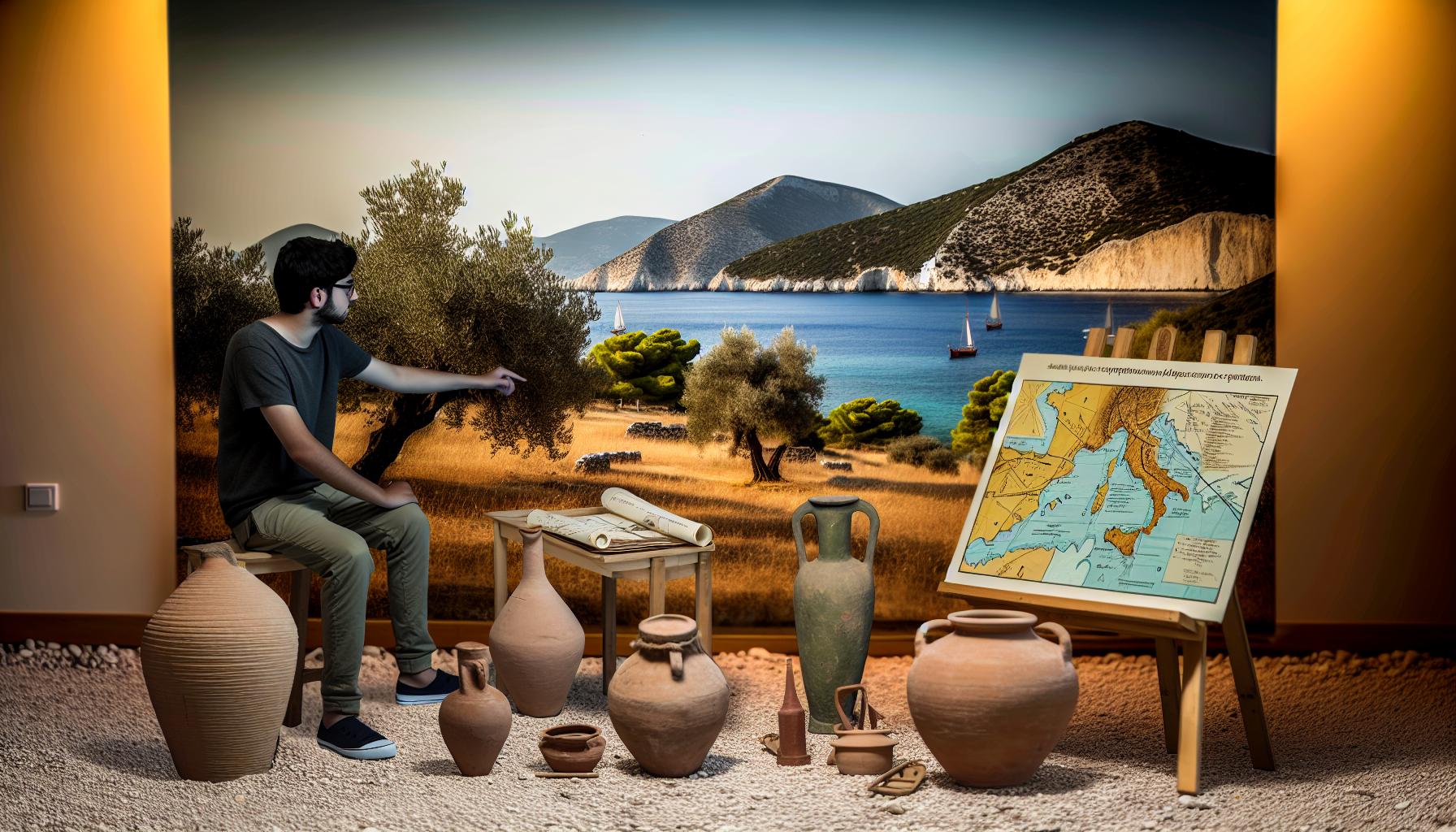
History of Zakynthos: The Enchanting Beginnings
The lush island of Zakynthos, known for its stunning beaches and vibrant culture, has a history that stretches back to the dawn of civilization. Archaeological findings indicate that this enchanting island was inhabited as far back as the Neolithic times, marked by a rich tapestry of human activity that would shape its identity for centuries to come. The island’s name is often linked to its legendary past, including ties to Odysseus and references in the works of ancient poets like Homer, reflecting a deep-seated connection to Greek mythology and literature.
As you wander through the quaint villages and bustling towns of Zakynthos, you’re stepping into a narrative that has been woven over millennia. From its early mention in the annals of Greek history, to its integration into various empires, Zakynthos has seen a diverse influx of influences. Its strategic location in the Ionian Sea made it both a coveted treasure and a battleground throughout antiquity, leading to various occupations that left indelible marks on its culture and architecture.
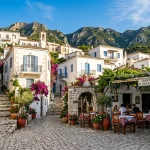
Digging deeper into its past reveals a time when Zakynthos flourished under Venetian rule, especially from the late 15th century onwards. This era ushered in a wave of prosperity, turning the island into what was famously dubbed the “Florence of Greece.” The Venetians brought with them a unique blend of art and architecture, enhancing the island’s natural beauty with elegant buildings that still stand as testaments to that golden age. Even today, visitors can marvel at the remnants of this influence in charming town squares and along picturesque streets throughout Zakynthos.
As you venture through this island’s history, keep an eye out for the layers of tradition that still thrive today. The echoes of its ancient beginnings resonate in local customs, festivals, and the ever-welcoming spirit of its people. Whether you’re lounging on the pristine beaches, exploring cultural sites, or sampling the rich flavors of Zakynthian cuisine, you’re not just enjoying a holiday; you’re partaking in a living history that continues to enchant travelers from around the world.
The Venetian Influence on Zakynthos
The rich history of Zakynthos, especially during the Venetian period, paints a vivid picture of an island that thrived under foreign influence while maintaining its unique identity. From the late 15th century onwards, as Venice solidified its control over the Ionian Islands, Zakynthos flourished economically and culturally. The influx of Venetian art and architecture transformed the landscape, giving rise to grand structures and charming piazzas that still captivate visitors today. The period was marked by prosperity; Zakynthos became known as the “Florence of Greece,” not just for its beauty, but for a thriving community of artists and intellectuals who settled on the island.
As you explore Zakynthos, you can’t help but notice how Venetian architecture still defines many of its towns. Strolling through Zante Town, you’ll encounter elegant buildings adorned with classical elements that reflect the artistry of the Venetian era. Don’t miss the Church of St. Dionysius, with its impressive bell tower and detailed frescoes, showcasing the island’s religious and cultural evolution influenced by Venetian rule. Enjoy a leisurely coffee at one of the local cafes while soaking in views of the harbor, where the gentle waves whisper stories of the mighty Venetian galleons that once plied these waters.
This vibrant blend of cultures is a theme that runs deep in the island’s traditions. The Venetian influence is particularly evident during local festivals, when you can witness a lively mix of Greek and Venetian customs. The famous Zakynthos Carnival, for example, features colorful parades reminiscent of Venice’s own Carnevale, bringing together the island’s diverse heritage in an explosion of music, dance, and merriment. It’s a perfect opportunity for travelers to dive into the local culture and make lasting memories, whether you’re traveling solo, as a couple, or with family.
For those exploring on a budget, consider visiting during the shoulder seasons of spring or autumn. The crowds are lighter, and many historical sites and experiences are available without the summer rush. Don’t forget to try the local delicacies infused with Venetian flair, such as tiganites (甘薯加糖和香料的特点,当地特色美食). These culinary treasures are a delightful way to taste the island’s layered history, ensuring that your visit to Zakynthos is as enriching as it is enchanting.
Cultural Melting Pot: Traditions Through Time
The cultural tapestry of Zakynthos is woven from centuries of diverse influences, creating a vibrant and unique identity that visitors can experience in every corner of the island. The blend of Greek, Venetian, and Ottoman traditions is particularly striking, illustrating a rich history of coexistence and adaptation. When you’re wandering through the streets of Zante Town, it’s not just the stunning architecture that draws you in-it’s the sounds of music, the scents of traditional cuisine, and the warmth of local hospitality that echo the island’s storied past.
Each year, Zakynthos hosts a series of festivals that celebrate its diverse heritage. The Zakynthos Carnival, held before Lent, showcases colorful parades where masks and costumes play a central role, reminiscent of Venice’s own carnival. This lively event is a testament to the island’s ongoing connection to its Venetian roots, filled with music, dance, and a palpable sense of joy. Participating in these local celebrations offers a genuine insight into the island’s community spirit, making it a perfect opportunity for travelers to engage with residents and learn about their traditions.
Culinary traditions also reflect this cultural melting pot. Local dishes, infused with flavors from Italian and Ottoman influences, provide a delicious exploration of Zakynthos’s history. Don’t miss trying stifado (a hearty meat stew) or briam (a baked vegetable dish) paired with local wines like Robola. These meals not only satisfy the palate but also tell stories of the island’s past, shaped by different occupations and the blending of cultures.
Whether you are a family looking to deepen your understanding of history or a solo traveler seeking adventure, Zakynthos welcomes everyone to immerse themselves in its rich cultural legacy. Each moment spent here-from tasting local dishes to participating in vibrant festivities-will leave you with memories steeped in tradition and history, making your journey truly unforgettable.
Ottoman Rule: A New Chapter in History
The allure of Zakynthos extends beyond its stunning beaches and turquoise waters; it is deeply rooted in a history shaped by various dominations, not least of which is the Ottoman rule that emerged in the 16th century. After centuries of Venetian influence, the Ottomans invaded and established their authority over the island, marking a significant turning point that introduced new cultural dynamics and social structures.
During the Ottoman period, Zakynthos was known for its relative tolerance and coexistence among different cultures. The local Greek population maintained their customs, language, and Orthodox religion, while Turkish administrators oversaw governance and trade. The unique blend of Greek and Ottoman influences can still be felt today, particularly in the island’s architecture and culinary traditions. For travelers keen to explore this fusion, visiting the town of Zante reveals remnants of this era, with its mosques, architectural styles, and even the ceramic tiles that echo Ottoman aesthetics.
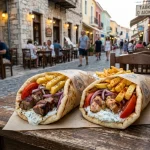
The Ottoman administration established a strong agricultural economy, focusing on olive oil and wine production, which remain pivotal to Zakynthos’s economy today. Visitors can take a tour of local wineries, where the impact of this history is palpable in every sip of the famed Robola wine. Additionally, the influence of Ottoman cuisine is evident in local dishes, where spices and cooking methods showcase a legacy that melds with traditional Greek flavors. Be sure to sample local specialties such as kavourmas (a type of preserved meat) or saganaki (fried cheese) at tavernas like To Stachi for a fuller taste of this rich culinary heritage.
As the story unfolds into the 19th century, it becomes clear that the Ottoman rule was not without its challenges. The island witnessed several uprisings and a strong movement towards independence. These historical threads offer a fascinating backdrop for engaging deeply with Zakynthos’s culture-whether you’re lounging on the iconic Navagio Beach or exploring the local museums, the layers of history come alive in this enchanting destination, welcoming each type of traveler to uncover its secrets.
The Impact of World War II on Zakynthos
As World War II swept across Europe, Zakynthos found itself caught in the middle of a tumultuous conflict that would leave an indelible mark on its history and its people. Despite being under Italian occupation from 1941 to 1943, the island’s residents displayed remarkable bravery and humanity during such dark times. One of the most poignant stories is that of how the local community shielded its Jewish population from the Nazis, showcasing the island’s spirit and solidarity.
When the fascist regime sought to deport the island’s Jews, the villagers of Zakynthos, led by Bishop Chrysostomos, boldly defied the oppressors. They not only hid their Jewish friends and neighbors but also openly refused to hand over a list of Jewish inhabitants, an act of courage that saved many lives. This collective act of resistance reflects the deep sense of community and moral obligation that characterized the islanders during the wartime.
The impact of World War II extended beyond individual acts of heroism. The war brought significant destruction to parts of Zakynthos, with air raids causing damage to infrastructure and livelihoods. Post-war recovery was challenging, with the island’s economy needing to rebuild from the devastation. However, Zakynthos’s resilient spirit shone through as locals worked to restore both their homes and their vibrant cultural practices.
For those visiting today, remnants of this era can be seen across the island in memorials and museums that commemorate not only the Jewish heritage of Zakynthos but also the broader struggles faced during the war. The historical context adds depth to your trip, allowing you to appreciate the island not only for its breathtaking beaches but also for its rich and poignant past. Whether you choose to explore the quaint streets of Zante town or visit the remnants of historic sites, understanding this slice of history enhances your experience, making it profoundly more meaningful.
Revitalization and Modernization: Post-War Era
The end of World War II marked a significant turning point for Zakynthos, an island that had bravely weathered the storms of conflict and repression. As the dust of war settled, a spirit of revitalization swept across the shores of this Ionian gem. The islanders emerged not just resilient but determined to restore and modernize their homeland while cherishing its rich cultural heritage.
In the immediate post-war years, the community faced the monumental task of rebuilding. Much of Zakynthos had suffered damage from air raids and military occupation, collapsing buildings and disrupting the economy. However, the spirit of the islanders shone through as they came together to rehabilitate their homes and businesses. Local craftsmanship played a crucial role; artisans revived traditional techniques to restore the beauty of their historical sites and architecture, creating a seamless blend of old and new.
Modern Tourism and Infrastructure
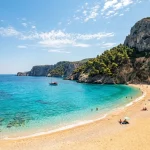
As the 1960s approached, Zakynthos began to embrace tourism, recognizing its potential as a driving force for economic growth. Investments in infrastructure sprouted up: roads were paved, hotels were built, and ferries offered reliable connections to the mainland. A scenic drive around the island now leads to stunning viewpoints and beautiful beaches, such as the famous Navagio Beach, where towering cliffs meet sparkling blue waters. Costs are relatively affordable-you can find a range of accommodations, from budget guesthouses starting at around €30 per night to luxurious resorts with breathtaking views.
Cultural Heritage and Festivals
While modernization flourished, the island remained committed to preserving its rich cultural heritage. Festivals celebrating traditional music, dance, and local cuisine became vibrant events that not only attracted tourists but also rekindled the love for local customs among residents. The Zante Carnival, held annually before Lent, is a particularly lively celebration filled with parades, masquerades, and performances, offering an immersive experience that showcases the community’s enthusiasm and creativity.
For visitors, diving into the island’s vibrant post-war revival is an adventure on its own. Take a stroll through the streets of Zakynthos Town, where you can visit art galleries showcasing local artists-all while savoring traditional delicacies like bakaliaros skordalia (fried cod with garlic sauce) or perhaps a glass of local wine. The combination of history, culture, and modern amenities crafts a unique tapestry that invites everyone from couples seeking romance to families looking for fun.
By understanding Zakynthos’s journey through revitalization and modernization, travelers can appreciate not just its stunning landscapes but also the resilient spirit that defines this enchanting island. Whether lounging on its idyllic beaches or sailing along its coast, every moment spent here is a testament to the beauty of rebirth and the enduring charm of its local culture.
The Role of Zakynthos in Greek Independence
The struggle for Greece’s independence in the 19th century deeply engaged the island of Zakynthos, positioning it as a pivotal player in the quest for freedom from Ottoman rule. From the moment the Greek War of Independence ignited in 1821, Zakynthos became a crucible of revolutionary activity. As news of the uprisings reached the island, the local populace, fueled by a burgeoning sense of nationalism and cultural revival, quickly rallied to the cause. The island’s geographical location in the Ionian Sea made it a strategic stronghold for the freedom fighters, allowing for essential exchanges of supplies, troops, and ideas.
Many prominent figures emerged from Zakynthos during this period, contributing both moral support and tangible resources to the Greek struggle. The island’s merchant class, in particular, used their ships to transport fighters and provisions to the mainland, underscoring the crucial maritime role Zakynthos played in the broader campaign. Inspired by the heroic narrative of resistance, local poets and artists celebrated the spirit of independence in their works, weaving tales of bravery that resonated widely throughout Greece.
The local government of Zakynthos, highly influenced by the intellectual awakenings of the time, declared their commitment to the independence movement. This period also saw the island actively involved in collecting funds and materials to aid the rebels. In towns and villages across Zakynthos, assemblies gathered to plan, collect resources, and encourage enlistment in the fight against Ottoman oppression. The burgeoning sense of identity and freedom invigorated the communities, weaving a rich tapestry of solidarity and collective purpose among the island’s residents.
For travelers who wish to dive deeper into this transformative chapter of Zakynthos’ history, visiting the many museums and historic sites honoring local heroes and events from the struggle can provide invaluable context. While you’re wandering through picturesque Zakynthos Town, stop by the Museum of Solomos and Kalvos, where you can learn about the contributions of two of Greece’s most celebrated poets who hailed from the island, and find inspiration in their timeless works. This connection to the past enhances the charm of the island and fosters a profound appreciation for the journey that led to Greece’s liberation in 1827, culminating in the establishment of the independent Greek state.
The celebration of independence is not merely a historical event but a vibrant part of contemporary life, commemorated with fervor in local festivals that showcase traditional music and dance. Reflecting on the past as you explore the stunning scenery of Zakynthos enriches your understanding of this enchanting island, making each picturesque cove and olive grove feel even more precious against the backdrop of its resilient history. Whether you are a history buff, a culture enthusiast, or simply seeking inspiration from the beauty and bravery of the island’s residents, Zakynthos offers a truly memorable experience steeped in the spirit of independence that shaped modern Greece.
Notable Historical Figures of Zakynthos
The rich tapestry of Zakynthos’ history is woven from the lives of its remarkable figures, each contributing a unique thread to the island’s cultural and historical narrative. Among them, Dionysios Solomos, perhaps the most celebrated, holds a special place in the hearts of Greeks as the national poet. Born in 1798 in Zakynthos, Solomos is renowned for penning the Hymn to Freedom, which later became the Greek national anthem. His works are steeped in themes of love, freedom, and patriotism, reflecting the fervent spirit of the Greek War of Independence. The island honors his legacy through dedicated institutions like the Museum of Solomos and Kalvos, where visitors can immerse themselves in his poetry and the broader cultural context of the time.
Another notable figure is Andreas Kalvos, a contemporary of Solomos and another giant of Greek literature. Kalvos was influential in shaping modern Greek poetry, often focusing on national identity and cultural rebirth. His writings resonate with the yearning for freedom and the revival of Greek traditions during a period marked by foreign rule. The synergy between Solomos and Kalvos during this era highlights the artistic flourishing that occurred on the island, transforming Zakynthos into a beacon of enlightenment in Greece.
Moving beyond literature, the merchant class of Zakynthos played a pivotal role during the independence movement. Figures like Lefteris Voyatzis, a prominent shipowner, were instrumental in supplying the revolutionary forces with vital resources. These maritime traders not only contributed financially but also transported fighters and information to the mainland, thereby solidifying Zakynthos’ position as a crucial ally in the fight against Ottoman oppression. Their efforts underscore the interplay between commerce and bravery, revealing how the island’s economic backbone supported its quest for freedom.
As you explore Zakynthos, take a moment to walk through its towns and villages where these historical figures once walked. The fragrant olive groves and vibrant squares carry echoes of their stories, inviting you to feel the spirit of resilience and cultural richness that defines this enchanting island. Whether you’re a history enthusiast or a casual traveler, the stories of these notable figures weave a narrative that enhances the beauty of Zakynthos, making every corner a testament to its illustrious past.
Enduring Myths and Legends of the Island
The whispers of Zakynthos are filled with enchanting myths and legends that color the island’s history and captivate the hearts of its visitors. One of the most famous tales is that of the Zakynthian Sea Serpent, a mythical creature said to inhabit the azure waters surrounding the island. Fishermen still share stories of miraculous encounters with this beast, claiming it brings good fortune to those who spot it. Whether you believe in the tales or not, the deep blue sea and hidden coves certainly evoke a sense of mystery and adventure that resonates with the island’s lore.
Another cherished legend tells of St. Denis, the patron saint of Zakynthos. According to local tradition, he performed miracles throughout the island and was known for his kind heart. Every year on his feast day, locals reenact his life’s stories, celebrating his benevolence and connection to the community. It’s a beautiful reminder of how deeply these myths are woven into the fabric of everyday life here, offering visitors a chance to immerse themselves in local culture during the festivities.
The island is also linked to ancient tales of Ulysses, who is said to have visited its shores during his epic journey home. Perhaps this connection can be felt as you wander the lush landscapes, where every olive grove and rolling hill feels alive with history. Exploring the places that inspired these timeless stories, like the majestic cliffs at Navagio Beach, allow you to step into the narrative that has shaped the identity of Zakynthos over centuries.
Whether you’re soaking up the sun on a sandy beach or exploring charming villages, the legends of Zakynthos continue to breathe life into the island. Engaging with these tales offers not only a deeper appreciation for the local culture but also adds an element of magic to your travels-an invitation to become part of the living story of this breathtaking destination.
Architectural Treasures: A Walk Through Time
The architectural landscape of Zakynthos is a breathtaking tapestry reflecting centuries of history and cultural influence. As you stroll through its charming towns and villages, you can’t help but marvel at how structures speak to the island’s rich past-from Venetian palaces to neoclassical buildings that embody both grandeur and grace. Each edifice carries stories, inviting you to step into a world where the remnants of history still resonate amidst the picturesque scenery.
One cannot visit Zakynthos without admiring the Church of St. Dionysius, located in the bustling town of Zakynthos. This striking cathedral, dedicated to the island’s patron saint, features a beautiful bell tower and intricate frescoes. The atmosphere of reverence is palpable as locals and visitors alike pay their respects, especially during the annual feast of St. Dionysius, which bursts alive with processions and celebrations. It’s a heartening experience that illustrates the enduring faith and traditions of the island.
Another gem worth exploring is the Venetian Castle perched high above Zakynthos town. Though it now stands in ruins, it provides a captivating glimpse into the island’s defense history. The panoramic views from this vantage point are nothing short of spectacular, showcasing the turquoise waters of the Ionian Sea and the surrounding lush landscapes. Early risers or those heading up just before sunset will find this spot to be an absolute treasure for both photography and reflection.
For those who revel in exploring local history, a visit to the village of Cardia is essential. Here, you’ll discover traditional stone houses adorned with ornate balconies and blooming bougainvillea, presenting a visually stunning contrast against the blue sky. Walking through its narrow streets feels like stepping into a postcard, where time stands still and the essence of authentic Zakynthian life unfolds. Dining at a local taverna here is a must-try the moussaka for a true taste of the island wrapped up in its stunning architectural embrace.
Whether you’re a history buff, an architecture enthusiast, or simply looking for the perfect backdrop for your photos, Zakynthos offers a deeply enriching experience. Bring your camera, stroll slowly, and let the island’s stories unfold before you, reminding you that every wall and every cobblestone has its tale to tell.
Festivals and Celebrations: Traditions Alive Today
Celebrating the vibrant traditions of Zakynthos offers an immersive glimpse into the island’s cultural heart. Throughout the year, a variety of festivals light up the towns and villages, each infused with local customs and religious significance. Perhaps the most captivating is the annual feast of St. Dionysius, held on August 24th, when the island comes alive with processions, music, and food stalls offering delicacies like baklava and moussaka. The atmosphere is electric as the community gathers to honor their patron saint, drawing locals and visitors alike into a joyful celebration filled with spirituality and shared experience.
Another highlight in the festival calendar is the Zante Dance Festival, organized every July at the Open-Air Municipal Theatre in Zakynthos Town. This event showcases local talent and international performers, offering diverse styles that celebrate the dance traditions of the island. Whether you’re an aficionado of the performing arts or a curious traveler, this festival provides a wonderful opportunity to connect with the creative spirit of Zakynthos. It’s advisable to check tickets and schedules in advance, as seats can fill up quickly during peak travel seasons.
Religious gatherings are predominant, with events such as the feast of Agios Dimitrios in Volimes on September 8th celebrating local saints. These occasions are often marked by litanies, live music, and the sharing of traditional foods, fostering a strong sense of community spirit. And don’t forget about the Panigiria-these lively religious festivals are part local fair, part spiritual observance, featuring market stalls and celebratory prayers that elevate the emotional experience.
For those planning to explore these traditions, visiting Zakynthos during festival periods can enrich your travel experience significantly. Not only will you witness unique cultural displays, but you’ll also have the chance to engage with the islanders, creating lasting memories and deeper connections during your stay. Just remember, accommodations can be in high demand during such events, so booking ahead is highly recommended to secure your spot in this enchanting island.
Zakynthos in Art and Literature: A Lasting Legacy
The island of Zakynthos has long been a muse for artists and writers, weaving its breathtaking landscapes and rich history into tapestries of literary and artistic expression. Renowned as the birthplace of Dionysios Solomos, the National Poet of Greece, Zakynthos boasts a legacy that remains steeped in creativity. Solomos’s celebrated work, *Hymn to Liberty*, resonates deeply within the Greek identity and is often regarded as a foundational stone in the country’s modern literature. His connection to the island is not just historical; it’s palpable in the very air of Zakynthos, inspiring countless artists and poets who have followed.
As you explore the island, you’ll encounter numerous sites that celebrate its artistic heritage. One can visit the mausoleum where Solomos is laid to rest, nestled beside the tomb of Andreas Kalvos, another illustrious poet born on Zakynthos. The confluence of these literary giants creates an almost sacred space for those who cherish the written word. Furthermore, the influence of the Venetians and Brits who controlled the island has left an indelible mark on its literature, infusing local works with diverse styles and themes that reflect the rich tapestry of influences over the centuries [[2]].
Art thrives in the heart of Zakynthos, with local galleries and exhibitions displaying a spectrum of works from traditional to contemporary. Whether it’s a serene painting capturing the turquoise waters or a vibrant portrayal of festival life, the art scene here invites visitors to engage with the island’s essence. Local artists often showcase their works during various festivals throughout the year, providing a wonderful opportunity for immersion in the island’s artistic spirit. The annual *Zante Dance Festival*, which marries performance art with local culture, is another splendid example, where you can witness the living art of dance as it unfolds against the backdrop of the picturesque Open-Air Municipal Theatre [[3]].
For those interested in diving deeper into the literary annals of the island, consider joining a local literary walking tour. These guided experiences often highlight not only the physical locations associated with famous authors but also delve into stories and anecdotes that breathe life into their legacies. Engaging with locals can yield insights that aren’t found in guidebooks, often leading to a greater appreciation of the cultural undercurrents that have shaped Zakynthos as a hub of artistic expression.
In conclusion, Zakynthos is not simply a destination for sun-soaked beaches and stunning views; it is an island that beckons creatives and literary enthusiasts alike to explore its rich historical tapestry. By embracing both the beauty and the art of the island, visitors create a lasting connection with this enchanting place that goes beyond the surface. Whether you’re lingering in a gallery, pondering a poem, or soaking in the festive atmosphere, the artistic legacy of Zakynthos continues to captivate and inspire.
Frequently asked questions
Q: What are some significant archaeological findings in Zakynthos?
A: Significant archaeological findings in Zakynthos date back to the Neolithic times, revealing early human habitation. Excavations have uncovered pottery, tools, and ruins that illustrate the island’s ancient history and cultural evolution, making it an essential destination for history enthusiasts.
Q: How did Zakynthos contribute to the Greek War of Independence?
A: Zakynthos played a crucial role in the Greek War of Independence through its support of revolutionary ideas and participation in battles. The island’s residents contributed financially and militarily, reflecting its strategic importance during this pivotal historical event.
Q: What legends are associated with the history of Zakynthos?
A: Zakynthos is rich in legends, including tales of the island’s naming after a hero, Zakynthos, who was a son of Dardanus. Numerous myths about gods and significant historical events contribute to the island’s enchanting narrative, making it a fascinating place for storytelling.
Q: How has Zakynthos’ architecture evolved through the centuries?
A: The architecture of Zakynthos has evolved significantly, influenced by various civilizations, including the Venetians and Ottomans. This is reflected in its beautifully preserved structures, ranging from Byzantine churches to neoclassical mansions, showcasing a diverse architectural heritage.
Q: What cultural festivals are celebrated in Zakynthos today?
A: Zakynthos celebrates various cultural festivals, including the Feast of St. Dionysius, showcasing local traditions, music, and dance. These festivities not only honor the island’s patron saint but also highlight its rich customs and community spirit.
Q: How did World War II impact Zakynthos?
A: World War II had a profound impact on Zakynthos, marked by occupation and resistance. The island faced struggles, including bombings and the hardship of local populations, which shaped its post-war recovery and resilience in building a modern identity.
Q: What is the significance of the Filiki Eteria in Zakynthos history?
A: The Filiki Eteria, a secret society that played a prominent role in the Greek War of Independence, had members from Zakynthos. Their involvement underscores the island’s crucial participation in the national movement for liberation from Ottoman rule.
Q: How did Venetian rule influence the culture of Zakynthos?
A: Venetian rule significantly influenced Zakynthos’ culture, bringing architectural styles, culinary traditions, and festivals. This era melded local customs with Venetian elements, creating a unique cultural fabric that persists in the island’s identity.
The Conclusion
As we conclude our journey through the captivating history of Zakynthos, remember that this island is not just a destination; it’s a tapestry woven with stories of resilience, culture, and breathtaking beauty. From the azure waters to the rich culinary experiences waiting to be discovered, Zakynthos invites you to create your own chapter in its ongoing narrative. Whether you’re drawn to its stunning beaches or its intriguing historical landmarks, there’s a wealth of adventures awaiting you.
Don’t let your exploration end here! Dive deeper into Zakynthos by checking out our guides on the best local experiences and personalized wedding tours to make your special moments truly unforgettable. Interested in a proposal that captures the magic of the island? Read more about romantic spots in Zakynthos to pop the question. For an enriching experience, consider signing up for our newsletter to stay updated on insider tips and unique itineraries tailored for every traveler.
Join the conversation! Share your thoughts below or explore our related content for more insights and tips on enhancing your Zakynthos experience. The island is waiting for you to uncover its secrets-let your adventure begin!
Get our latest guides, news, and insights highlighted in your Google Search & AI Overviews.